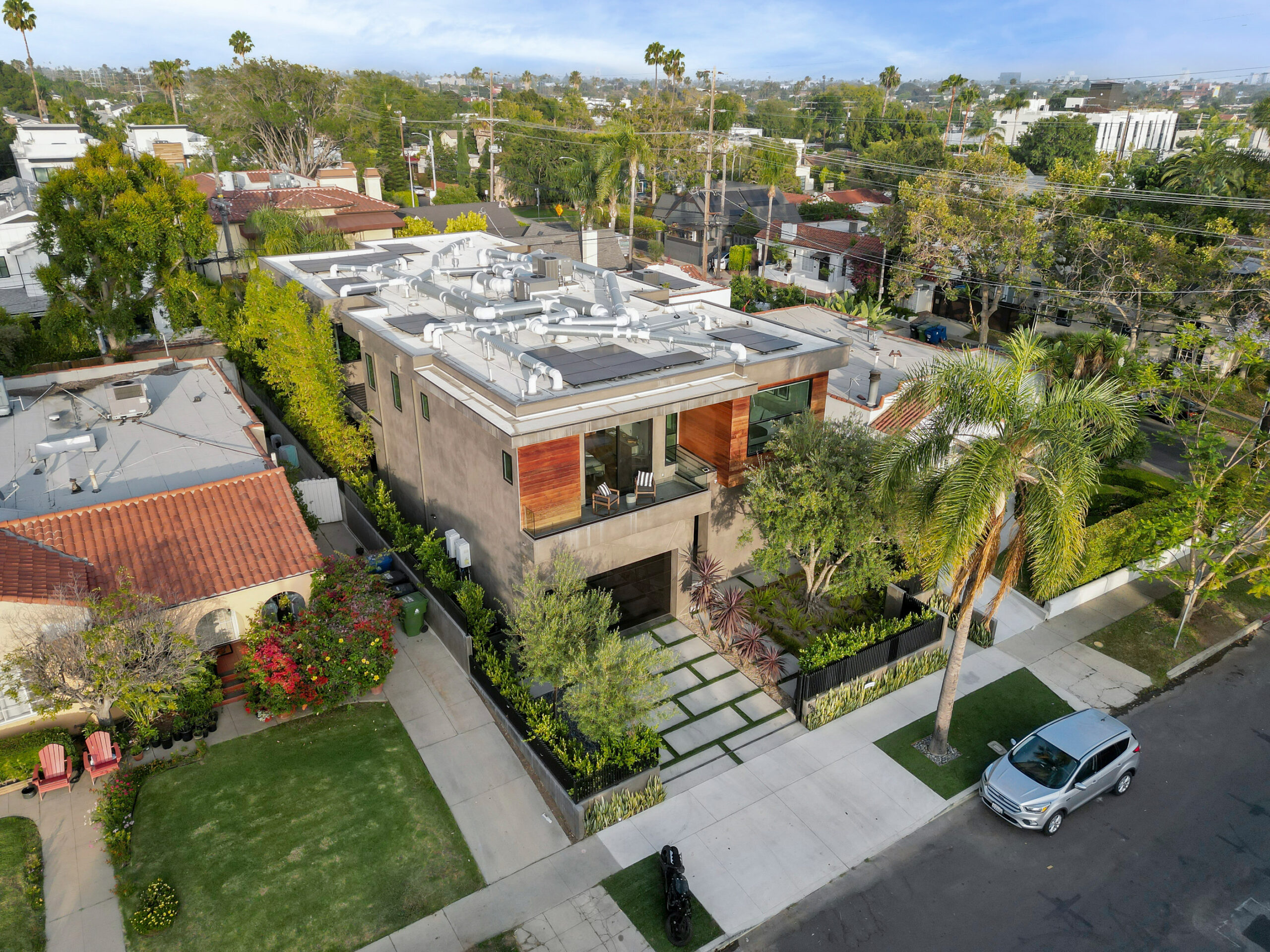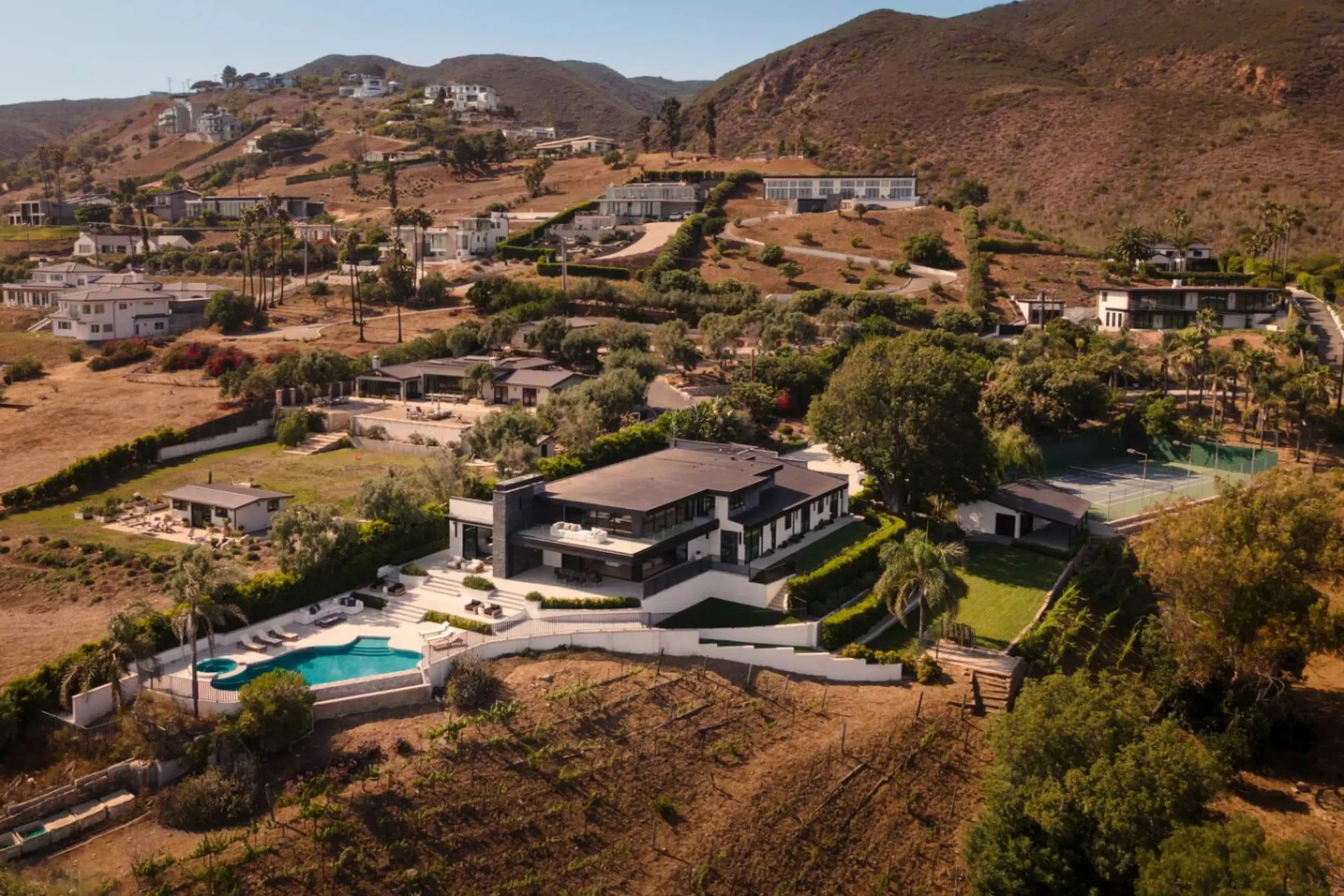

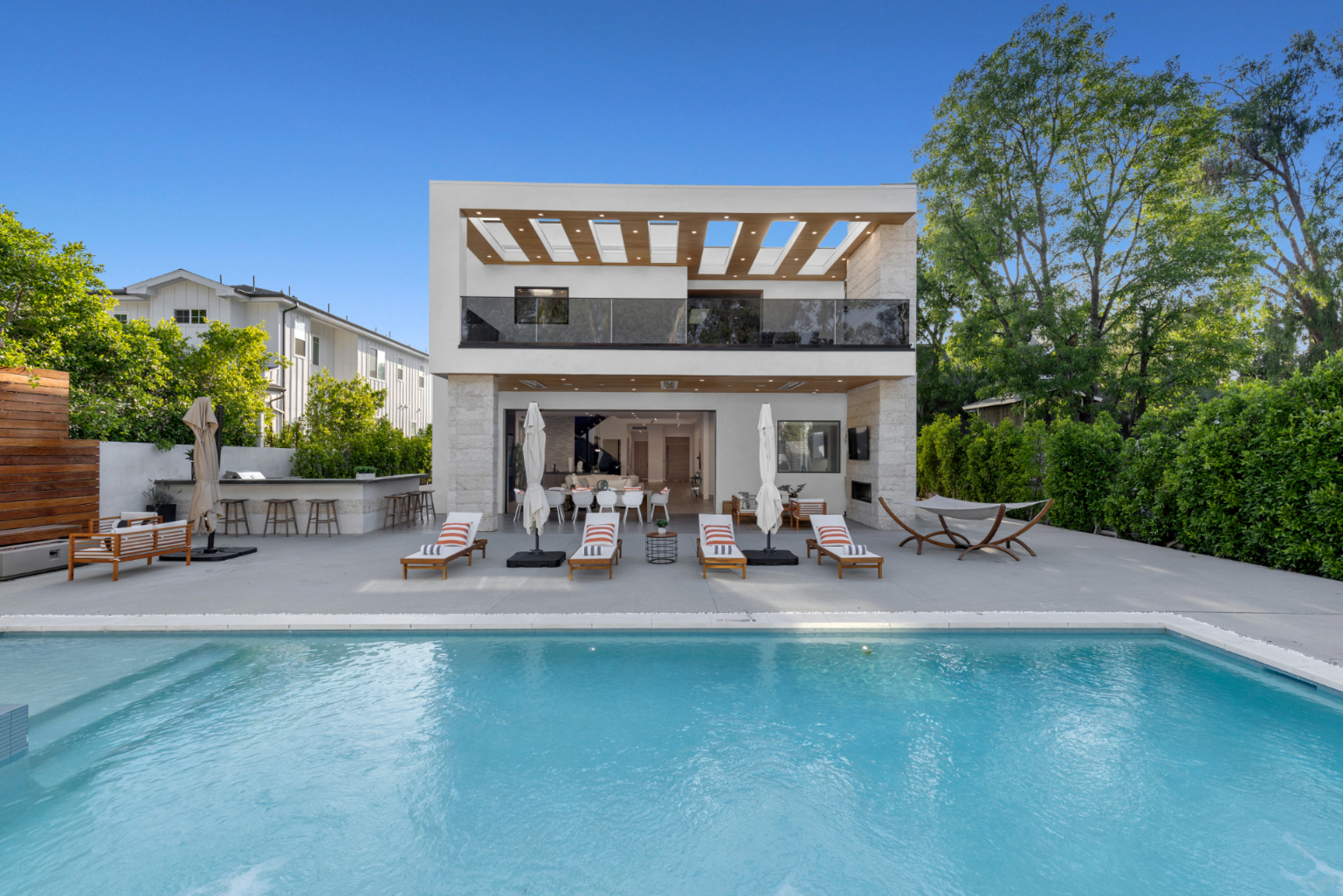
Los Angeles is standing at the edge of something that has not happened in the modern luxury travel era, a concentrated window of back-to-back global events that will bring the high-end travelers directly to its doorstep. FIFA World Cup 2026. The 2028 Summer Olympics. Accompanying cultural festivals, entertainment industry convergences, and business summits that ride the wave of each.
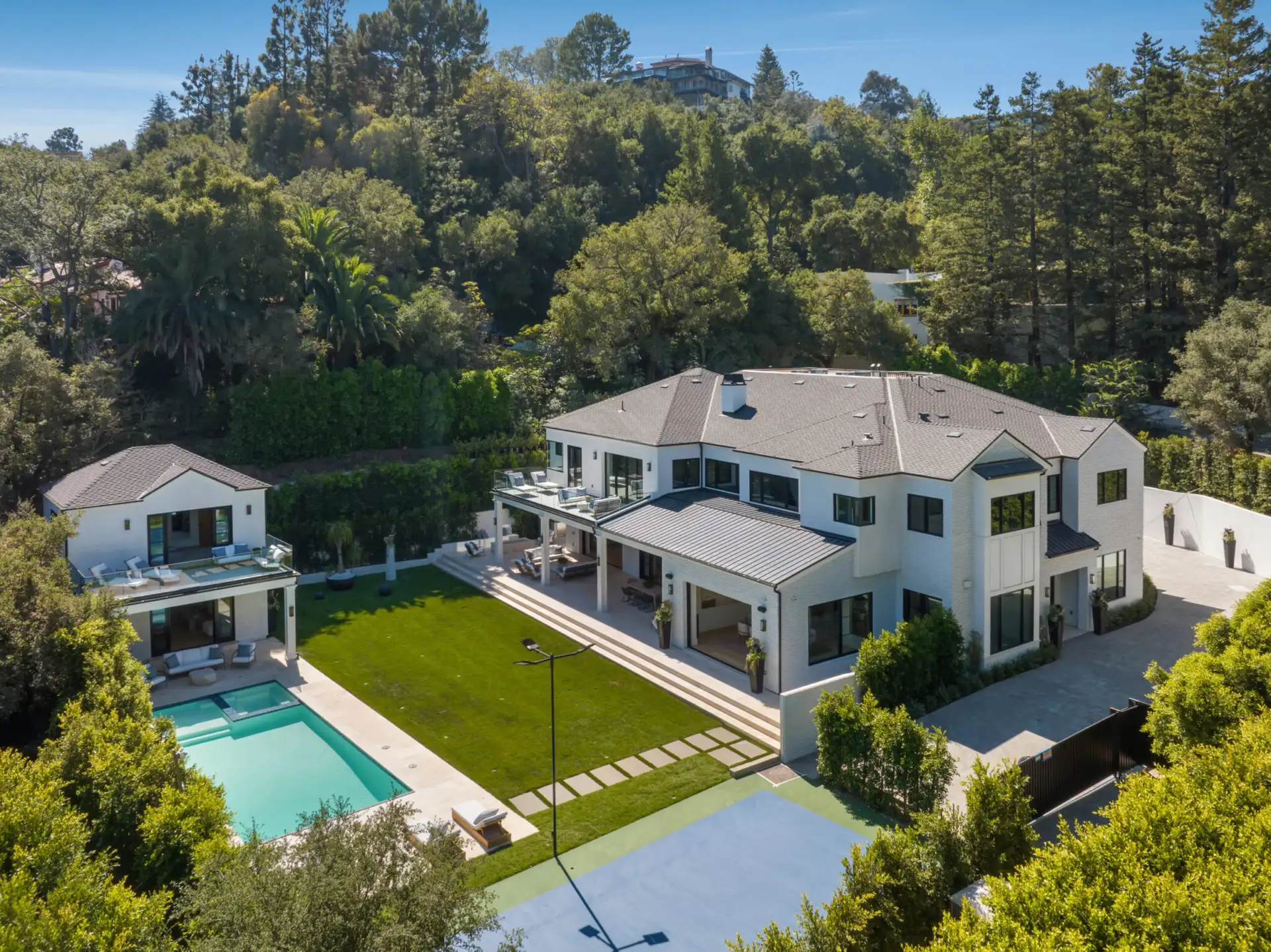
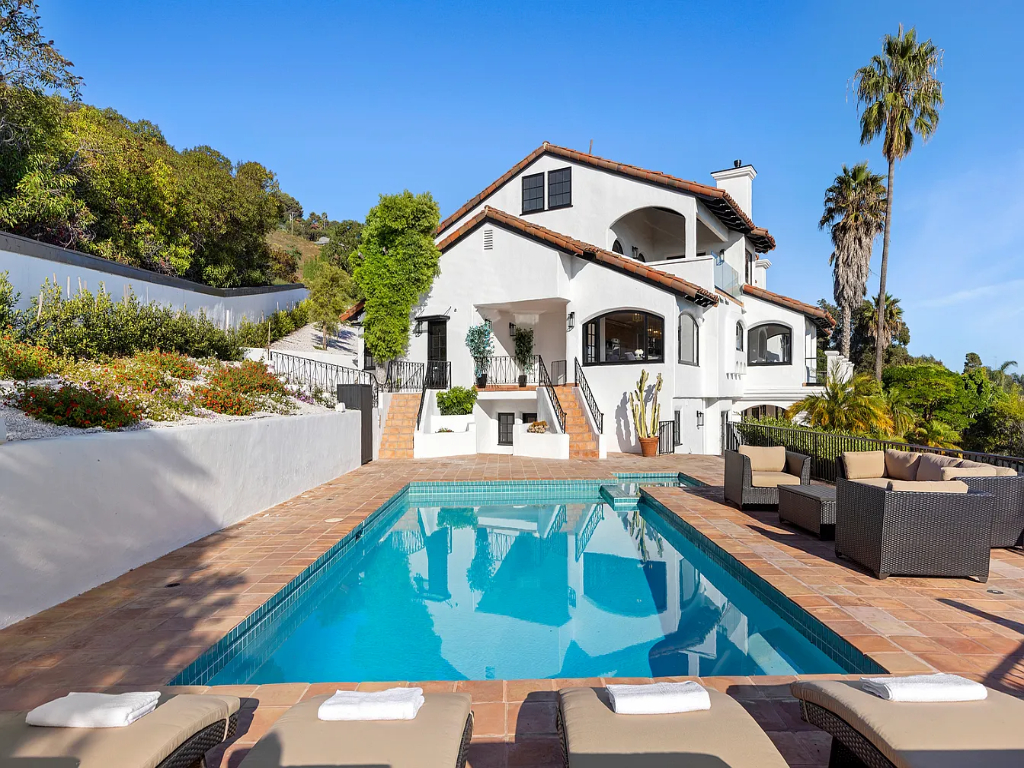
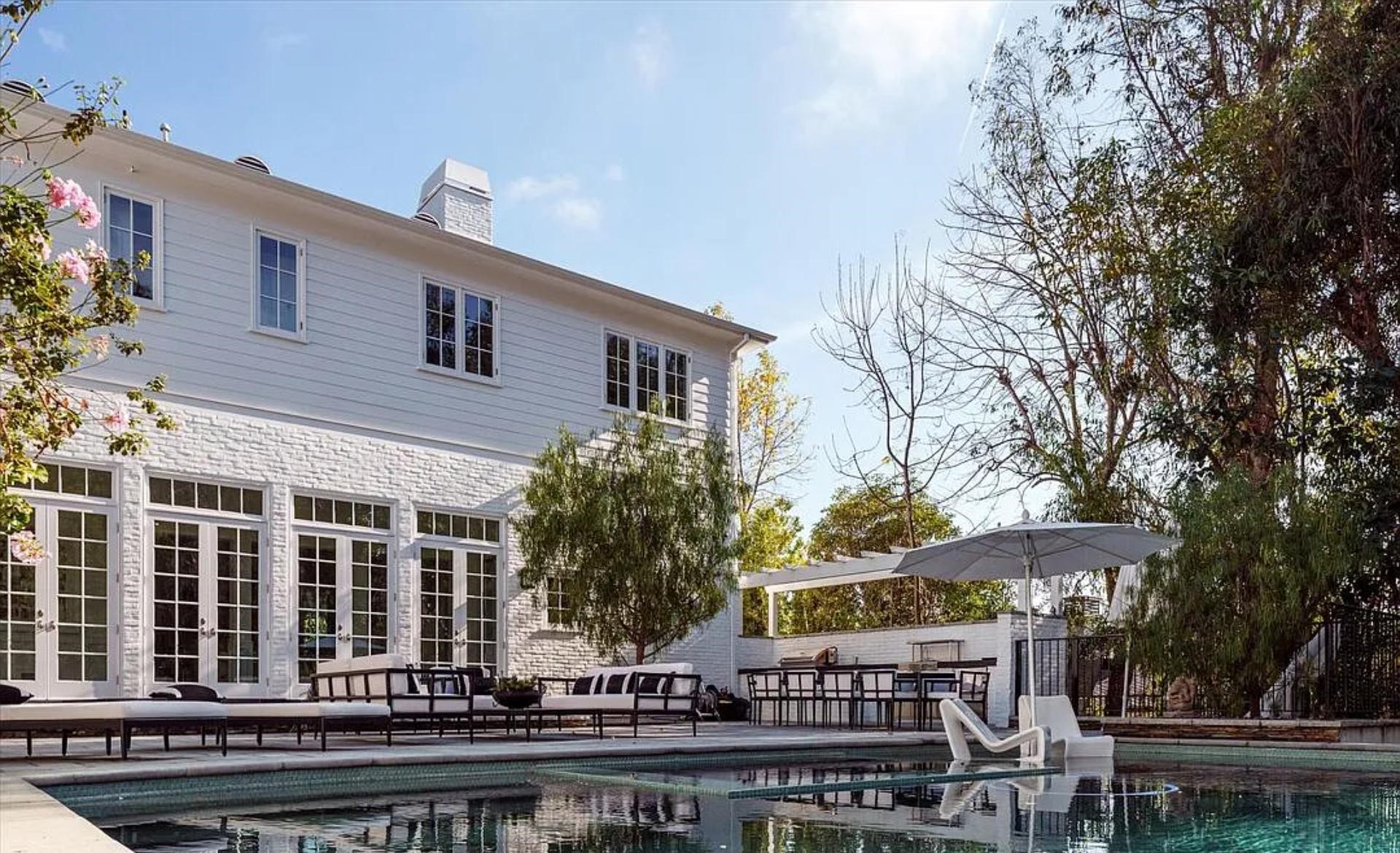
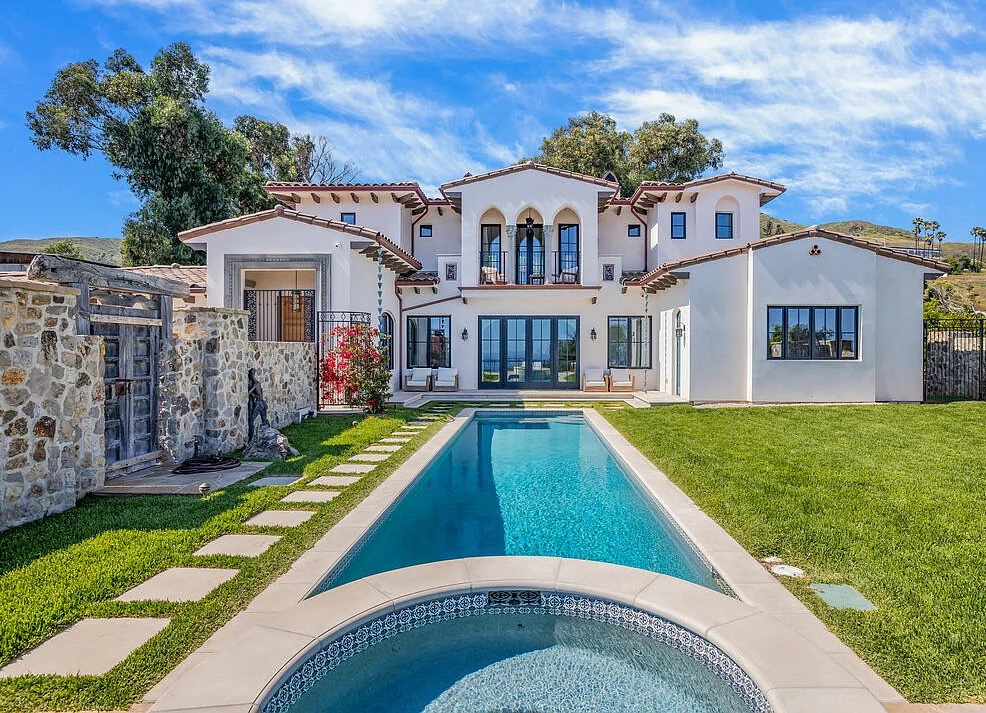
For owners of luxury villas and estates across Beverly Hills, Malibu, Bel Air, and the Hollywood Hills, this is not a moment to simply wait and watch demand arrive. It is a moment to position deliberately, so that when ultra-high-net-worth travelers are looking for Los Angeles luxury rentals that match their standard of living, your property is already the obvious answer.
Maximizing occupancy in the luxury short-term rental market requires a fundamentally different playbook than anything written for conventional vacation rentals. Discounting does not move the right guests. Aggressive listing tactics alienate the clientele worth attracting. What drives occupancy and sustained premium revenue during periods of compressed global demand is a combination of strategic positioning, curated guest experience, and operational precision that most property owners underestimate until it is too late.
Why Global Events Create Exceptional Demand for Luxury Rentals in Los Angeles
The FIFA World Cup 2026 will bring matches to SoFi Stadium in Inglewood, drawing an estimated 1.5 million international visitors to the Los Angeles area across the tournament window. Unlike domestic sporting audiences, international FIFA travelers, particularly those arriving from the Gulf states, Western Europe, and Latin America, travel with a hospitality expectation that is difficult to meet outside of private estates. They arrive in groups, they stay for extended periods, and they spend at a level that reflects their access to generational wealth.
The revenue opportunity that luxury short-term rentals generate during major Los Angeles events is unlike any standard high season. Demand does not simply increase; it concentrates. Guests are willing to commit to longer minimum stays, pay significant premiums for the right location, and invest in supplementary services that compound per-stay revenue. A property that earns $8,000 per night during a normal peak week can realistically command two to three times that rate when a 14-day FIFA-period booking locks in a high-net-worth international party that requires full concierge support.
The 2028 Olympics compound this further. The demand cycle for the LA 2028 Olympics for short-term rentals extends well beyond athletes and officials. The surrounding ecosystem of corporate hospitality, sponsor activation, media crews, and affluent spectators creates a demand profile that runs parallel to the official Games, and that audience books private estates, not hotel rooms.
Privacy-driven travel has been a permanent behavioral shift since 2020, and it accelerates during high-profile public events. The last thing a Fortune 500 executive attending the World Cup wants is to be recognized in a hotel lobby at 11 pm. A private villa in Bel Air with a dedicated house manager, a chef on call, and a secure motor court answers those needs completely.
Occupancy Optimization in Luxury Markets Is About Positioning, Not Discounts
The instinct during a low-demand period is to lower rates to attract bookings. In the luxury rental market, that instinct is almost always counterproductive.
A guest capable of spending $15,000 a night on a Malibu estate does not reconsider because the rate dropped to $12,500. What that reduction signals to them, or to the agent or executive assistant managing the booking on their behalf, is that the property may not be what it presents itself as. Luxury pricing carries implicit communication. A premium rate, held with confidence, tells a sophisticated buyer that the property is in demand, that the operator is selective about guests, and that the experience will deliver what the photographs promise.
How Minimum Stay Requirements and Premium Packaging Protect Rate Integrity During Global Events
During global event cycles, rate strategy in the luxury segment operates on a different axis than supply-and-demand pricing familiar from budget and mid-market rentals.
- Minimum stay requirements extend naturally, as a 10 or 14-night minimum during peak event windows not only maximizes revenue per booking but filters out guests who are not sufficiently committed to the experience.
- Private chef packages and curated arrival amenities add perceivable value that justifies rate integrity without requiring a single explanation.
- Dedicated luxury concierge services coordination throughout the stay elevates the offer beyond a property transaction into a fully managed hospitality experience.
- Premium event-period packaging communicates that the estate operates at a tier where price reflects access, not desperation.
The effective occupancy strategy for a luxury estate during a compressed demand window is to be already booked by the time the casual market realizes demand has peaked. That requires outreach to the right guest networks months in advance, positioning the property through hospitality channels that serve the segment, and communicating the value proposition in the language that high-net-worth travelers and their representatives actually respond to.
Property owners who have not yet established their pricing strategy, reviewed applicable FIFA short-term rental regulations in Los Angeles, or confirmed their operational readiness are already behind where they need to be.
The Guest Experience Determines Premium Occupancy Rates
In the luxury short-term rental market, the property itself is the table stakes. What separates a fully booked estate from one that sits vacant during the same period is the experience architecture around it.
The five-star concierge layer builds into every property management engagement because this audience has stayed in the finest hotels in the world. They know what anticipatory service feels like, when the champagne is already chilled without being asked, when the car is waiting before the request is made, when the private chef consulted on dietary preferences two weeks before arrival, and remembered every detail. Replicating that level of attentiveness in a private residential setting is what converts a one-time booking into a return guest and a referral source.
Practically, this means that a well-managed luxury estate during a global event period is not simply housing its guests. It coordinates private airport transfers and LAX tarmac arrivals for international arrivals. It is sourcing last-minute event tickets through the right channels. It is arranging in-villa wellness services, massage therapists, personal trainers, and meditation instructors around a guest’s schedule without friction. It has a medical professional available on short notice for a family traveling with young children.
Each of these touchpoints is also a revenue opportunity. A guest whose every request is handled seamlessly, and whose stay feels more attended to than their best hotel experience, does not negotiate on rate for the next booking. They ask to lock in the same property for the following year before they check out.
Location Strategy Becomes More Important During Global Events
Not all luxury addresses in Los Angeles perform equally during global events, and the reasons are more specific than proximity to a venue. Different event audiences have different location requirements, and understanding those preferences at a granular level is what allows property owners and managers to target the right guests for each asset.
Luxury villas near SoFi Stadium in Los Angeles will draw the strongest demand from guests whose primary purpose is match attendance, sponsor groups, team affiliates, VIP ticket holders, and international media. These guests want efficient access to Inglewood without the exposure of stadium-adjacent hotels, and Culver City-adjacent estates and certain West Hollywood properties sit within a viable radius.
Beverly Hills villas and Bel Air rentals attract the highest-spending segment regardless of event proximity. These guests are not commuting to the stadium; they are hosting their own activation at the villa. Dinner for twenty, a private pre-match gathering, a sponsor celebration that never appears in the press. The address itself carries a status that the guests value independently of the event itinerary.
Malibu luxury villas attract a different profile entirely: guests for whom privacy and coastal access outweigh urban convenience. These are often entertainment industry principals, international families traveling with children, and executives who want the option of distance from the city’s event concentration while remaining accessible by helicopter or private car.
Hollywood Hills and West Hollywood luxury rentals draw the entertainment industry ecosystem, production executives, talent, and the international media and content creation infrastructure that follows major global events. Santa Monica captures the wellness-focused luxury traveler who builds their stay around access to the ocean as much as the event itself.
Luxury Property Presentation Directly Impacts Occupancy Performance
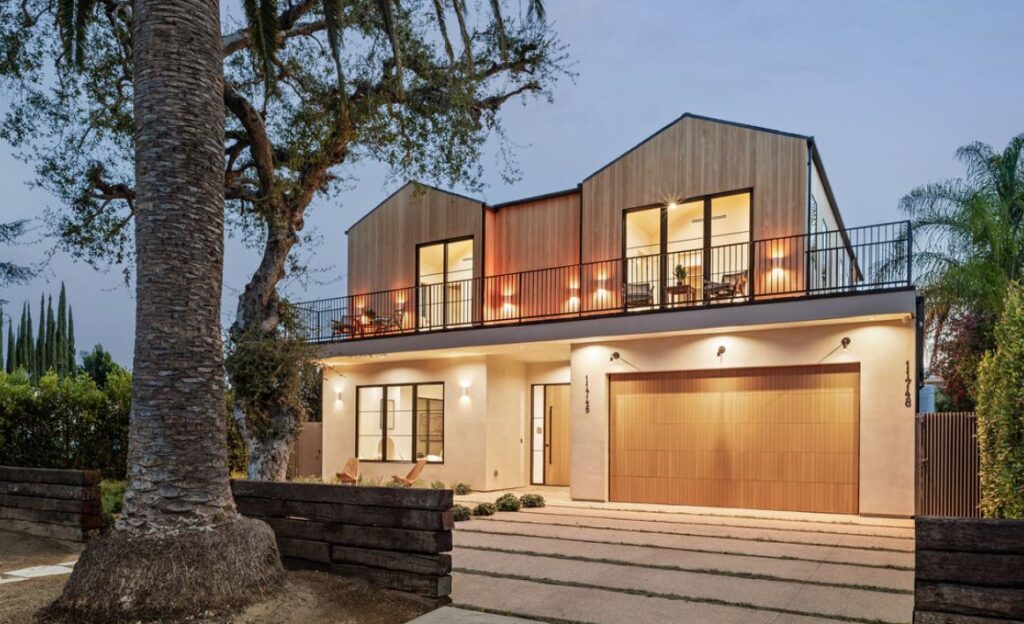
A 12,000 square foot estate photographed at midday by a generalist photographer and described in listing copy that reads like a real estate brochure will not perform the same as an identical property presented through the lens of a luxury lifestyle story.
The guest booking a $5,000-a-night home does not respond to specifications. They respond to aspiration. The photograph that stops them is the one that makes them imagine waking up there, where the morning light is doing something specific to the living room, where the pool deck looks like something from a resort campaign, where the interior styling says something about the kind of person who belongs in that space.
Editorial-level photography, properly sequenced to walk a prospective guest through the emotional journey of arrival, living, and entertaining, is not a luxury for top-performing properties. It is the standard. The same applies to listing copy that leads with the experience rather than the feature count. “Six bedrooms” is a specification. “A master suite with a private terrace where the Santa Monica Mountains frame your morning” is an invitation.
Properties preparing for the FIFA 2026 and Olympics demand cycles have a finite window to upgrade their visual assets, complete any interior refresh or staging work, and build the review and reputation history that makes a luxury booking decision feel low-risk to a guest spending at this level.
Professional Luxury Property Management Creates a Competitive Advantage
The operational complexity of maximizing a luxury property’s performance during a major global event is significant. Revenue management, 24/7 guest communication, multi-platform marketing to qualified luxury audiences, guest vetting and screening, housekeeping coordination, vendor management, and crisis response all run simultaneously, and all have to execute flawlessly when the guest occupying the property is a high-profile individual with a specific expectation of invisibility.
Choosing a luxury property management company in Los Angeles is one of the highest-leverage decisions an owner can make before the 2026–2028 demand window opens. The management layer determines everything: the guest profile attracted, the rates achieved, the quality of the experience delivered, and the condition of the property at the end of each stay.
Owners who attempt to self-manage through peak global events routinely leave significant revenue on the table, not because they set wrong prices, but because they lack the infrastructure to respond to last-minute inquiries from qualified international guests, handle complex multi-service concierge coordination, and maintain the operational standard that justifies premium positioning.
A professional property management company also handles the regulatory environment. Short-term rental compliance in Los Angeles is an evolving framework, and properties operating at the luxury tier have specific obligations that carry meaningful penalties when handled incorrectly.
Why Luxury Property Owners Should Prepare Before FIFA 2026 and the LA Olympics
The window for early positioning is narrowing. Homeowners in Los Angeles who are considering renting their property for FIFA need to begin the preparation process now, not in the months preceding the tournament. Review cycles, management agreements, property upgrades, photography, listing development, and regulatory compliance all require lead time that cannot be compressed once the demand window opens.
Properties that establish premium market presence twelve to eighteen months before a major event benefit from early corporate bookings, which are typically secured further in advance than leisure bookings. A Fortune 500 company reserving a Bel Air estate for executive hospitality during the World Cup makes that decision in Q1 of the year preceding the event, not the month before.
Preparing a luxury home for FIFA guests involves more than cleaning and staging. It requires reviewing infrastructure capacity, high-speed internet for remote work, backup power, smart home system reliability, and assessing whether the current furnishings and amenity package are appropriate for the international guest at the upper end of the market.
The Most Successful Luxury Rentals Sell Exclusivity, Not Availability
There is a fundamental distinction between how luxury rentals market themselves and how standard short-term rentals compete. A mass-market property competes on availability, proximity, and price. A luxury estate competes on exclusivity, rarity, and the totality of the experience it offers.
What a High-Net-Worth Guest Is Actually Buying
The guests who book luxury rentals for FIFA executives in Los Angeles are not searching for a place to sleep during the tournament. They are searching for a private headquarters, a physical environment that reflects their status, accommodates their operational needs, and delivers the discretion their security teams require. The narrative around the property has to match that expectation.
Architectural uniqueness, staff depth, location significance, and the quality of the experiences accessible from the property form the emotional argument that justifies the rate. A property positioned correctly does not need to compete on price. It needs to communicate clearly why it is the only option for a specific guest at a specific moment.
How Premium Occupancy During Global Events Builds Long-Term Rental Market Value
Los Angeles luxury villa properties managed at the highest level attract guests who return, refer, and build the kind of booking history that sustains premium occupancy well beyond any individual event. The FIFA World Cup and the 2028 Olympics will pass. The operational infrastructure, market positioning, and guest relationships built during that window will compound in value for years afterward.
Los Angeles is not simply hosting two global events. It is entering a period of sustained international attention that will fundamentally raise the baseline of luxury travel demand in this market. The properties that perform at the highest level will be those whose owners made the decision to prepare early, manage professionally, and position with clarity about what they are offering and who they are offering it to.
Conclusion
Los Angeles does not enter a demand cycle like this twice in a generation. The owners who treat the FIFA World Cup and the 2028 Olympics as a calendar event rather than a strategic inflection point will watch their properties underperform during the highest-value window this market has ever produced.
Occupancy at the luxury tier is never accidental. It is the result of deliberate positioning, experience-driven hospitality, and operational infrastructure that performs invisibly at the highest level. Professional management does not just protect the asset; it unlocks the revenue ceiling entirely.