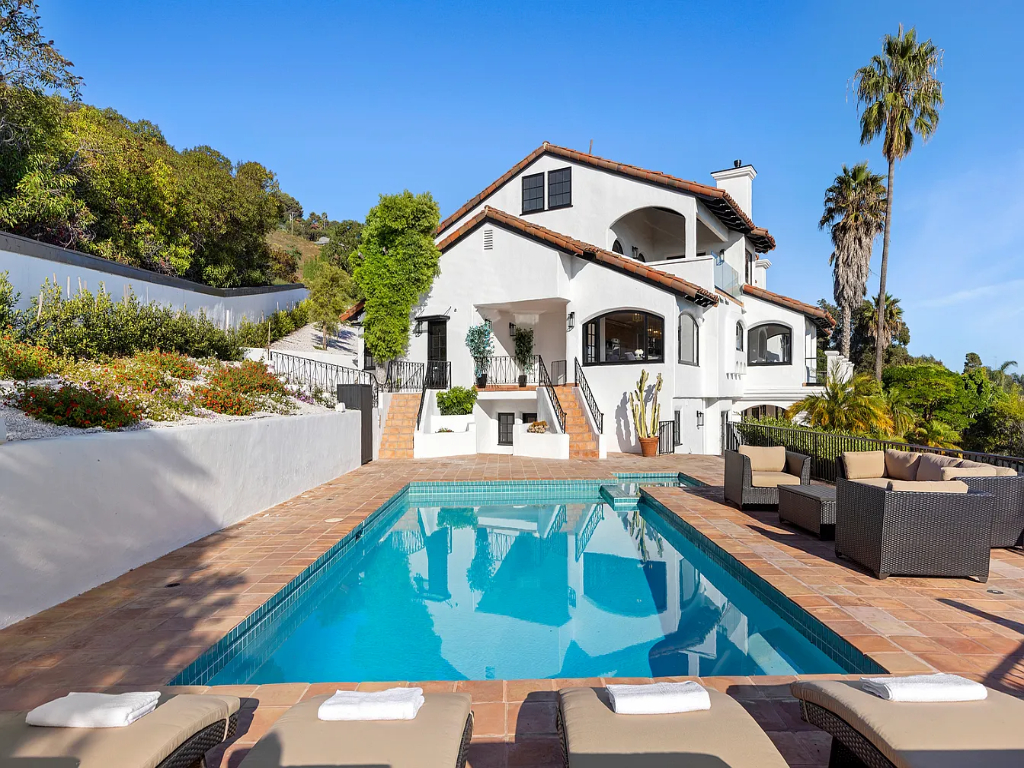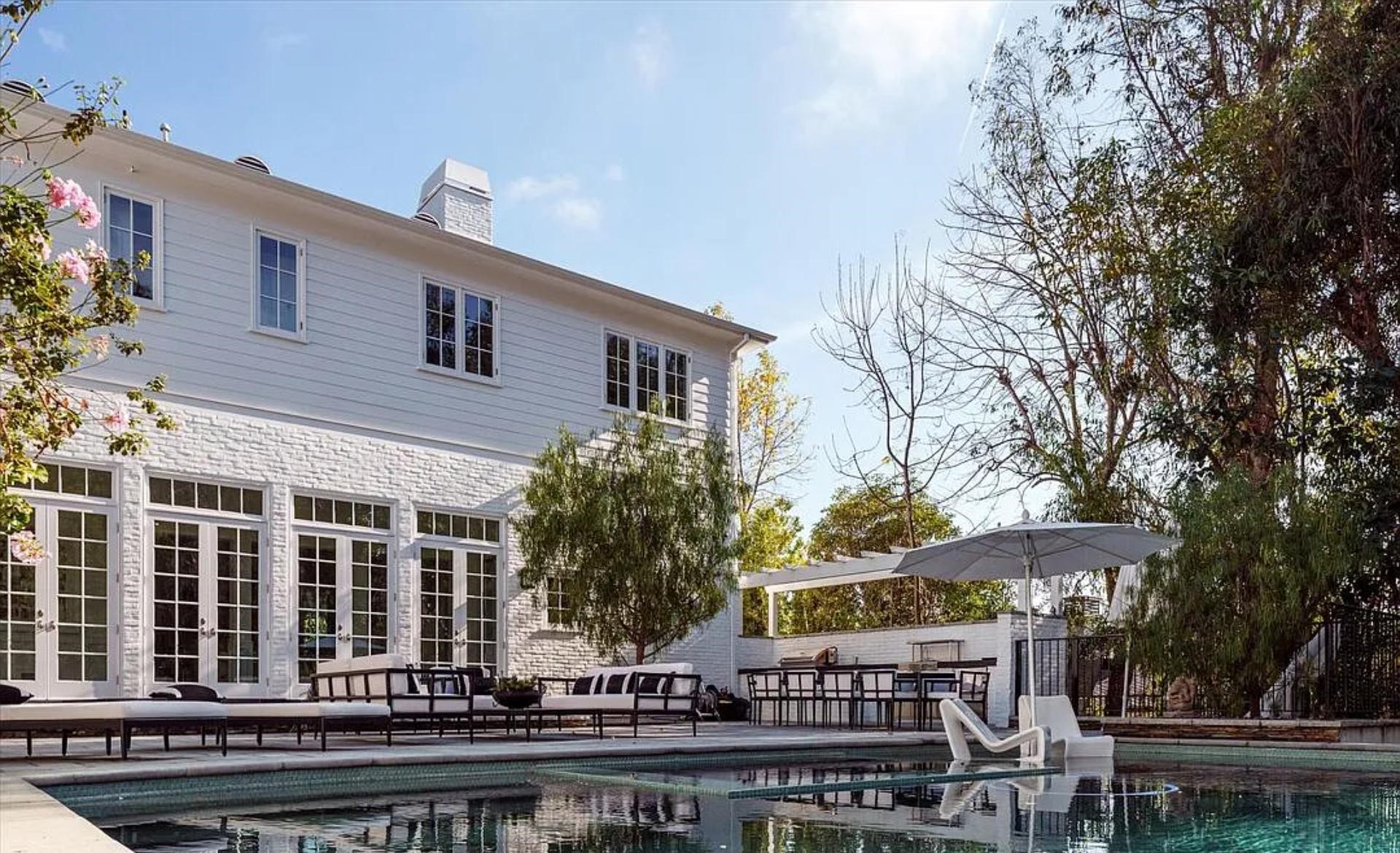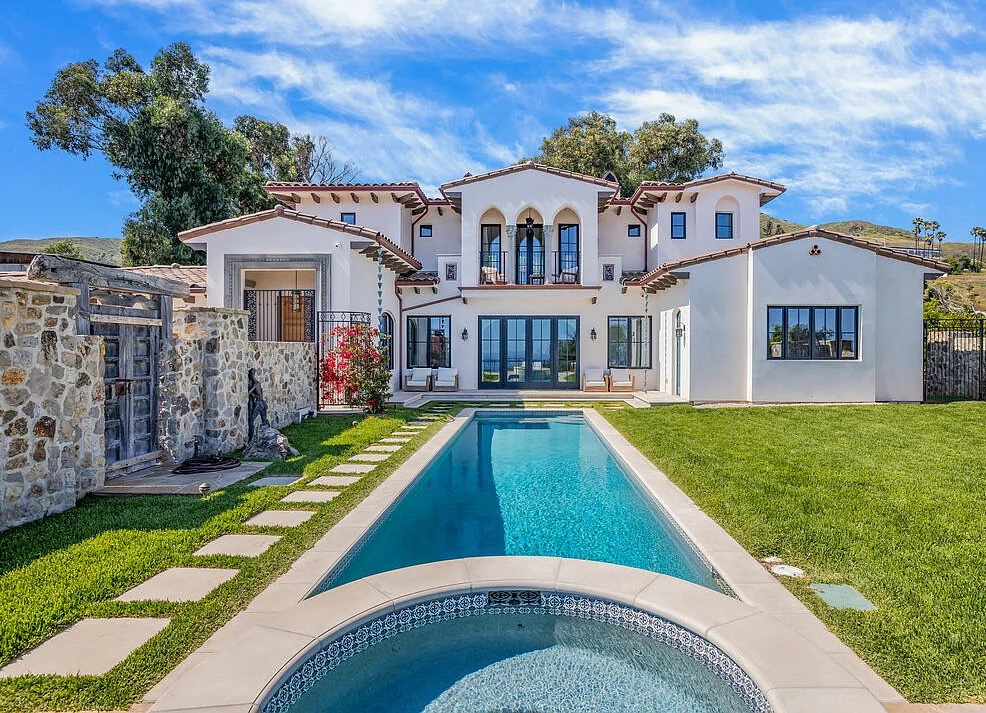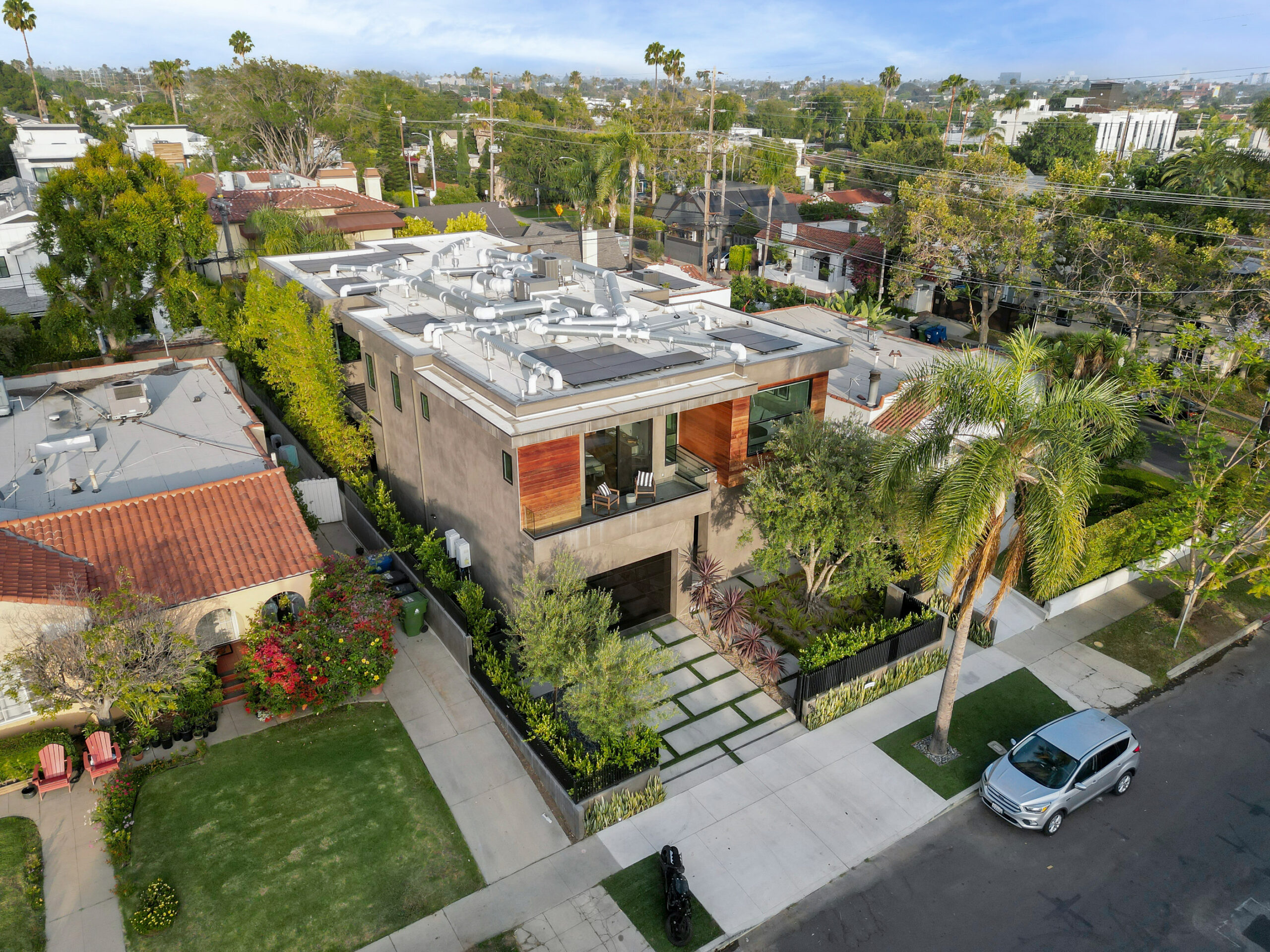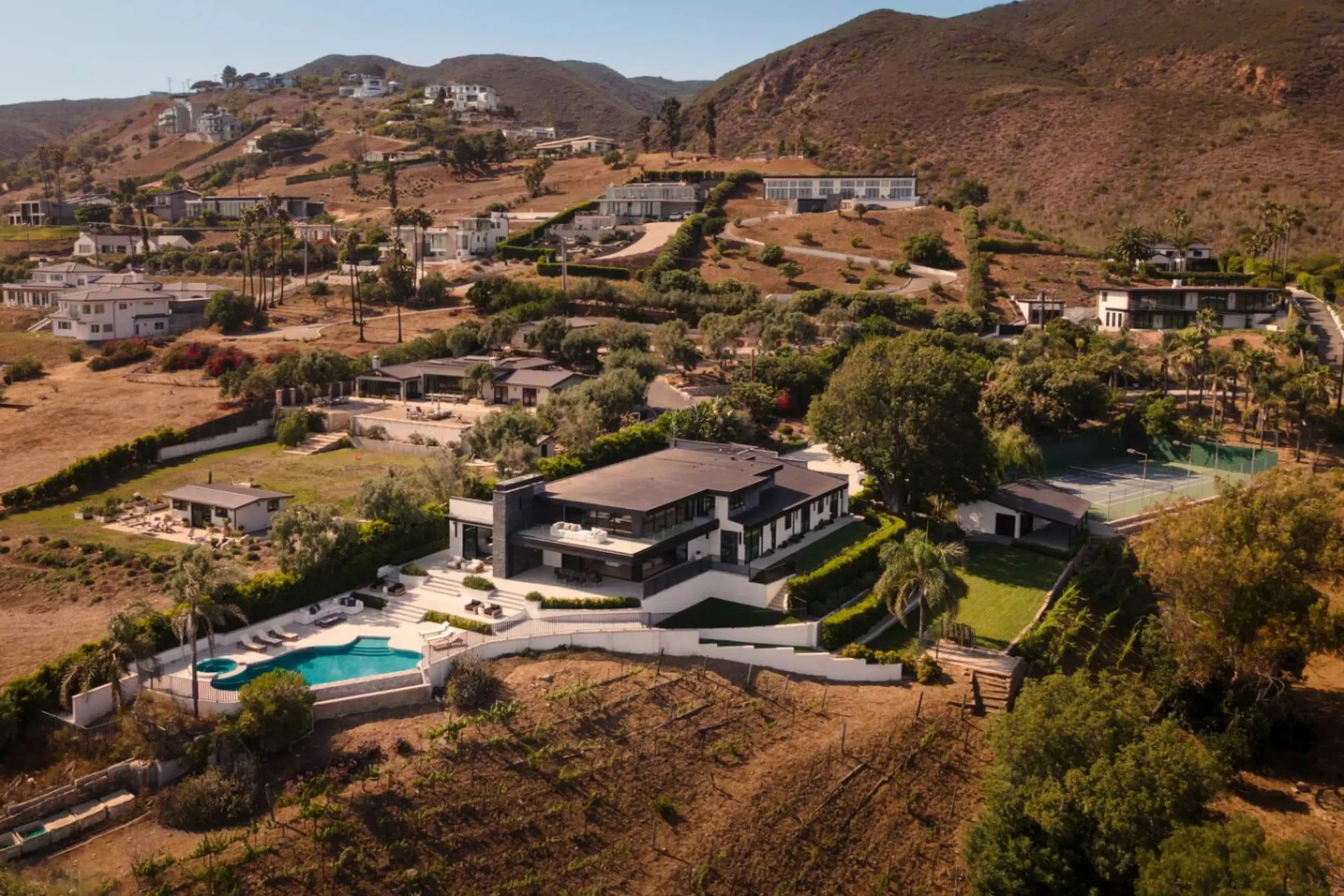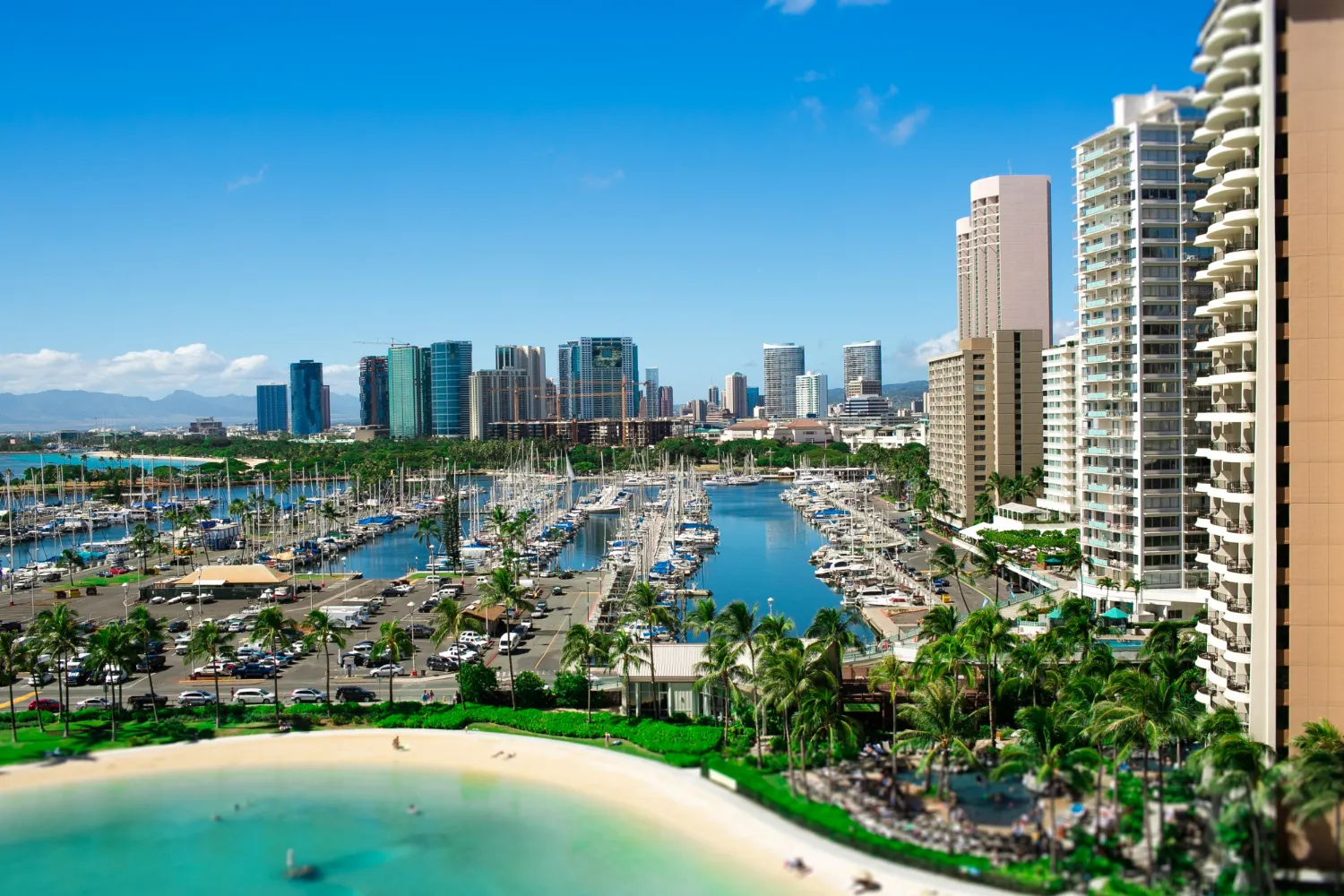

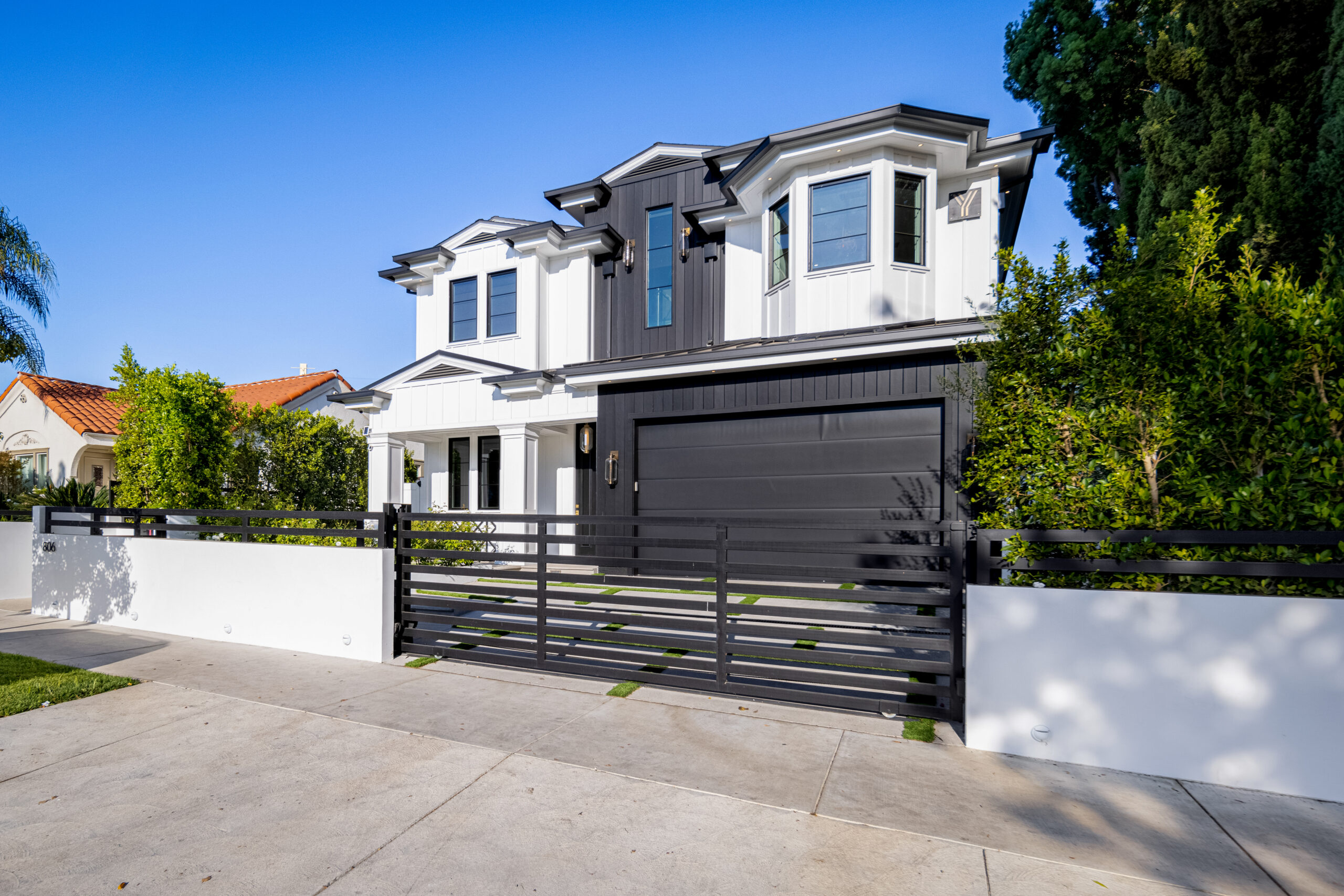
Villoura, until now an exclusively Los Angeles short-term rental operator with curated portfolios across Beverly Hills, Malibu, Bel Air, Hollywood Hills, and Santa Monica, is now in Miami. Luxury villas in Miami across South Beach, the bay islands, Brickell, Bal Harbor, Coconut Grove, and Coral Gables, are entering the Villoura portfolio, and the full villa management service that LA owners have relied on is now available to Miami property owners as well.
Miami is, by every measure that matters to a luxury short-term rental operator, the strongest US market outside of Los Angeles for high-end stays. International visitors make up more than 40% of Miami’s tourism base, the highest concentration of any major American city. The luxury real estate segment is running at record levels, with combined sales of properties priced above $1 million up more than 21% year-over-year in early 2026, according to Miami Realtors data.
Cash buyers account for 44% of January closings, well above the national average of 27%. And the city’s event calendar, Art Basel, the Miami Grand Prix, Miami Open, Ultra, and the 2026 FIFA World Cup, compresses global demand into specific premium windows in a way no other US market can replicate.
Why Miami, and Why Now
The case for Miami is not a story about momentum. It is a story about structural conditions that already exist and are now being amplified by a uniquely compressed event window.
Start with the inventory side. South Florida recorded its highest-ever number of $20 million-plus condominium transactions in 2025, with near-record activity in the $10 million tier. Branded residences and waterfront developments continue to draw high-net-worth buyers seeking lifestyle assets rather than primary homes. The result is a growing base of trophy-tier properties whose owners are open to professional short-term management, particularly during the months when they are not in residence themselves.
This is the supply-side foundation any serious luxury rental operator needs, and Miami has it in greater concentration than almost any other US market.
On the demand side, the numbers are equally specific. AirDNA’s Q1 2026 data shows luxury short-term rentals in Brickell achieving an average daily rate of $287 with occupancy at 68%. South Beach luxury two-bedroom condos averaged $385 ADR across the 2025–2026 cycle.
Waterfront and ocean-view properties at the top tier routinely generate $80,000 to $180,000-plus in annual revenue, and annual occupancy for STR-compliant luxury inventory runs between 70% and 80%. These are not speculative figures. They are the operating baseline of a mature market that supports the price point Villoura’s portfolio works at.
Miami’s event calendar is what makes the next 24 months particularly significant.
The 2026 FIFA World Cup brings seven matches to Hard Rock Stadium between June 15 and July 18, with marquee fixtures including Brazil vs. Scotland and Portugal vs. Colombia.
AirDNA reports that 2026 occupancy for Miami’s group-stage match dates is already up 132% year-over-year, the Round of 32 occupancy is up 193%, and the Brazil vs. Scotland match on June 24 is driving a +325% year-over-year demand increase.
Art Basel Miami Beach continues to lock in the first two weeks of December as the city’s highest-paying art-and-collector window. The Miami Grand Prix in May, the Miami Open in March, and the Ultra Music Festival in March each generate their own pricing premiums. Add NYE and the December-through-April peak season, and there is no quiet quarter in the Miami luxury calendar.
This is the same demand pattern we documented for the LA Olympics: concentrated UHNW demand, fixed luxury supply, and a booking lead time that rewards operators with established management infrastructure long before the event window arrives. Miami is the natural next market because the structural profile is the same. The geography and the events change, but the operating logic does not.
The Miami Neighborhoods Villoura Will Operate In
Villoura’s Miami footprint is built around the specific zones where ultra-high-net-worth guests actually want to stay, and where the inventory meets the standard the LA portfolio is known for.
Miami Beach
South Beach, Mid-Beach, and North Beach are the city’s most recognizable rental market and its most regulatorily complex. STR-eligible inventory is concentrated in licensed condominium buildings and specific zoning pockets rather than spread across all residential streets. The properties that do qualify, particularly along Collins Avenue and Ocean Drive’s quieter blocks, command Miami’s highest absolute price ceilings during Art Basel, NYE, and World Cup weeks.
The Bay Islands
Sunset Islands, Venetian Islands, Palm and Hibiscus Islands, Star Island, and the North Bay Road waterfront are where Miami’s trophy villas live. Gated entries, private docks, and Biscayne Bay sunset views define this tier. The audience is overwhelmingly UHNW, often international, and almost always booking six to twelve months in advance for peak windows. These are the properties that do not appear on Airbnb or Vrbo, and they are precisely the inventory Villoura’s off-market guest network is designed to match.
Brickell
This area carries Miami’s strongest year-round demand profile because the corporate base does not seasonally evaporate. Executives on multi-month assignments, financial services families relocating from the Northeast, and Latin American buyers using Miami as a US base all anchor demand in the area’s branded residences and luxury condominiums. The Q1 2026 ADR of $287 and 68% occupancy reflect that consistency.
Bal Harbor and Surfside
They are branded residences and quiet-luxury territory. The Four Seasons at The Surf Club anchors the neighborhood’s reputation. The guest profile here skews family-oriented, longer-stay, and willing to pay premiums for the combination of beach access, shopping at Bal Harbor Shops, and a lower-key atmosphere than South Beach.
Coconut Grove and Coral Gables
These areas are old-money Miami, larger lots, mature landscaping, and architectural homes that rarely appear on public listing platforms. The Grove’s waterfront and the Gables’ Mediterranean estates attract a guest profile that values discretion and architectural character over beachfront proximity.
Wynwood and the Design District
These locations round out the portfolio for guests who want walkability, design-led interiors, and proximity to Miami’s creative core. Boutique villas and design-forward apartments in these districts earn $60,000 to $90,000 annually at the luxury tier and consistently attract international creatives, fashion clients, and Art Basel attendees who want to be inside the cultural neighborhood rather than across the causeway.
One regulatory reality worth surfacing here, because it matters to owners: the City of Miami Beach and the City of Miami are separate jurisdictions with separate STR rules, and building-level compliance varies even within a single tower.
Villoura’s onboarding process verifies STR eligibility at the building, zoning, and county level before any property enters the portfolio. Owners do not navigate this independently.
What Villoura Brings to Miami’s Luxury Rental Market
The Villoura model in Miami is structurally identical to the LA model. The portfolio is curated, not aggregated, the guest network is largely off-market, and the service standard is built for the top tier of the market, not adapted from a mid-market template.
For guests, that means a hand-selected inventory of villas, estates, and branded residences with no algorithmic ranking, no platform churn, and no anonymous customer service routing. Every booking includes concierge-grade service, including private chefs, on-call security, chauffeured transportation, yacht and tender access, restaurant placement at Miami’s hardest-to-book rooms, and event coordination for private dinners, milestone celebrations, or corporate hospitality.
For owners, the offering is a full-service luxury villa management that they can hand over to. That includes dynamic pricing across Miami’s distinct demand cycles, professional listing presentation, guest vetting and verification, concierge fulfillment during stays, housekeeping and maintenance coordination, financial reporting, and the regulatory and licensing compliance that the city’s split jurisdictional rules require.
The guest network is the differentiator most owners care about most.
Villoura’s clientele profile, including executives, professional athletes, creatives, family offices, and international UHNW families, is largely a relationship-driven network that does not source properties through consumer platforms. For high-end inventory, this is the channel that produces the rates and the guest profile owners want.
Villoura has built its reputation across the same kind of property tier Miami requires, such as waterfront estates, gated compounds, branded residences, and architectural homes that demand five-star-equivalent operations. The standard being applied in Miami is the standard already proven in LA.
Booking Windows, Pricing, and Why Timing Matters
Standard Miami luxury villa bookings, outside of major event windows, can typically be secured four to eight weeks in advance. Major events change that math dramatically, and the 2026 FIFA World Cup is the clearest example the Miami rental market has seen in a generation.
The same dynamic is playing out in LA, where luxury short-term rentals are projected to earn 3–5x revenue during major events
Properties for the World Cup began receiving inquiries and reservations 12 to 18 months in advance. A villa priced at $8,000 per night twelve months out may list at $14,000 per night as the tournament approaches and supply tightens. AirDNA’s pre-tournament data confirms the trajectory: the average available nightly rate for Miami short-term rentals during group-stage match dates is currently sitting at $494, a 108% increase compared to 2025. The booked rate is climbing more slowly because the highest-paying inventory has already been locked in by guests who moved early, and the listings now coming to market are setting tomorrow’s prices, not yesterday’s.
By the time mainstream consumer demand arrives in spring 2026, the trophy waterfront properties on Star Island, Sunset Islands, and North Bay Road will not be available at any price.
Art Basel runs the same pattern, compressed into a shorter window. Top properties for the first two weeks of December are routinely booked six to twelve months in advance, and NYE inventory at the top tier follows the same lead time. The Miami Grand Prix in May produces six-to-nine-month booking windows for trophy properties, particularly those within proximity of Hard Rock Stadium and the Aventura corridor.
The takeaway is practical and applies to both audiences:z
- Guests planning around any of the peak Miami windows need to be in conversation with a management company now, not three months before arrival.
- Owners whose Miami properties are not yet under professional management before the 2026 event windows close will compete for residual inventory at materially lower price leverage than properties that arrive with an established listing history, professional photography, and verified guest reviews already in place.
Villa Management in Miami — What Owners Should Expect
Full-service luxury villa management Miami owners can rely on includes dynamic pricing built around:
- Miami’s specific demand cycles
- Professional photography and listing presentation
- Guest vetting before bookings are confirmed
- 24/7 concierge fulfillment during stays
- Housekeeping and maintenance coordination
- Financial reporting on a defined cadence
And most importantly, compliance with the city, county, and state-level licensing requirements that govern Miami’s short-term rental market.
Owners who have followed the FIFA 2026 rental regulation conversation in LA will recognize the pattern, like every major event city, tightens enforcement and adds licensing friction as the window approaches.
The economic case for professional management at the luxury tier is consistent across markets. Professionally managed luxury properties materially outperform self-managed listings on both ADR and occupancy, and the reason is structural. The highest-paying guest segments, such as Olympic federations, corporate hospitality teams, family offices, professional athletes, and international UHNW families, do not source accommodation through consumer booking platforms but through curated operators with established reputations and known guest networks.
At the mid-market tier, self-management is viable. At the luxury tier, the guest expectations and guest-sourcing requirements are structurally beyond what a single owner can replicate.
Villoura’s onboarding standard is selective. Not every Miami property is accepted into the portfolio. Architecture, location, condition, the property’s positioning within its neighborhood, and the caliber of the experience the home can deliver all factor into the decision. Owners who believe their Miami property meets that standard are invited to submit their property for portfolio inclusion.
The Miami Window Is Open!
Miami’s luxury rental market in 2026 is operating at a different scale than it was even two years ago. International demand is now structural rather than cyclical. The city’s event calendar has compressed years of premium booking windows into the next 24 months, with the FIFA World Cup alone projected to drive lodging rates two to four times above normal levels in match weeks.
Luxury inventory is finite, increasingly off-market, and being absorbed faster than the consumer-platform data suggests. For guests, the question is no longer whether to book a villa rather than a hotel. It is which villa, in which neighborhood, with which operator. For owners, the question is no longer whether professional management is worth it. It is whether to position the property before or after the World Cup window closes.
Villoura is now positioned in both conversations. Guests can browse the curated Miami portfolio, and owners can request a portfolio evaluation. The window is open.