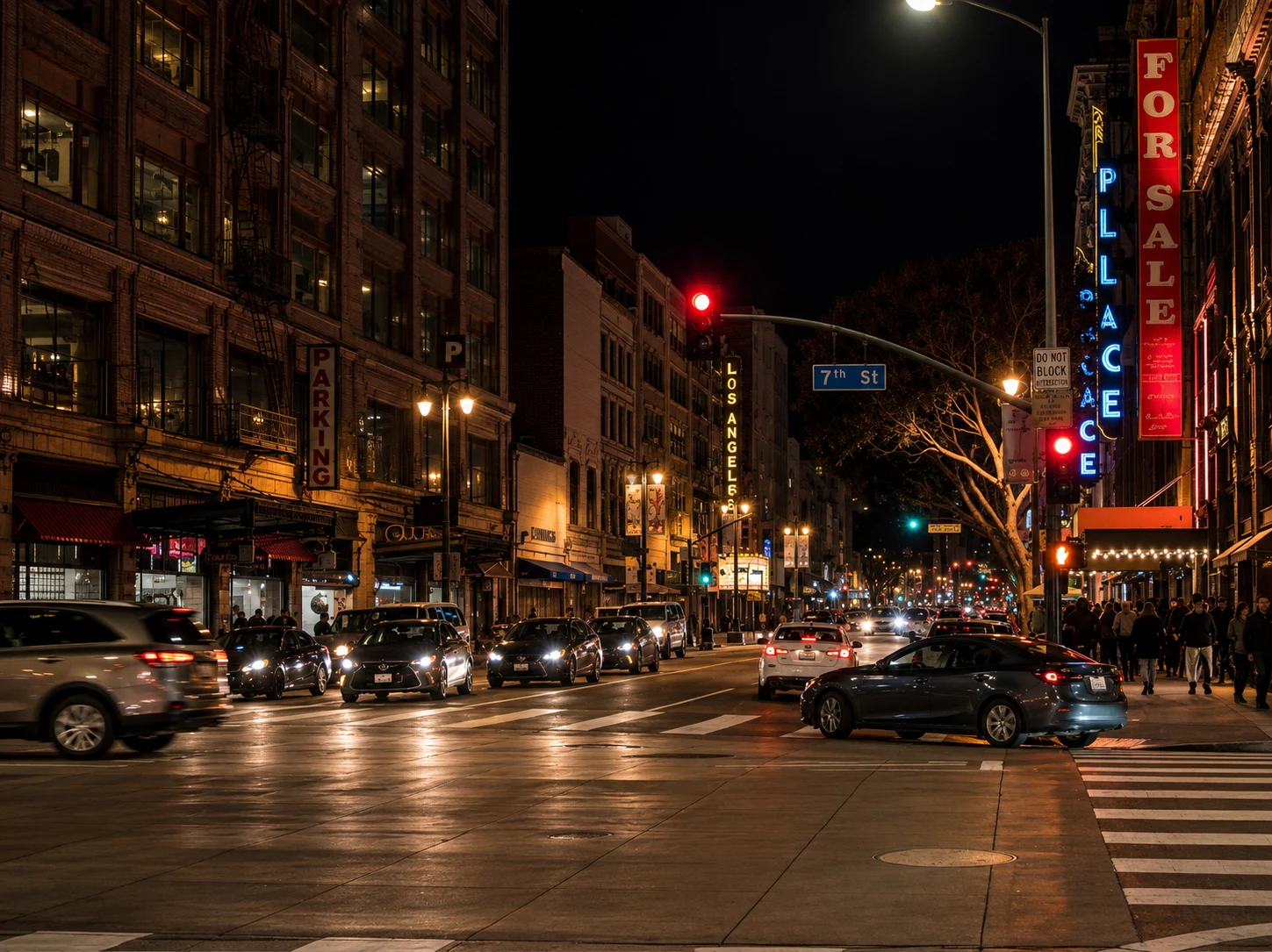

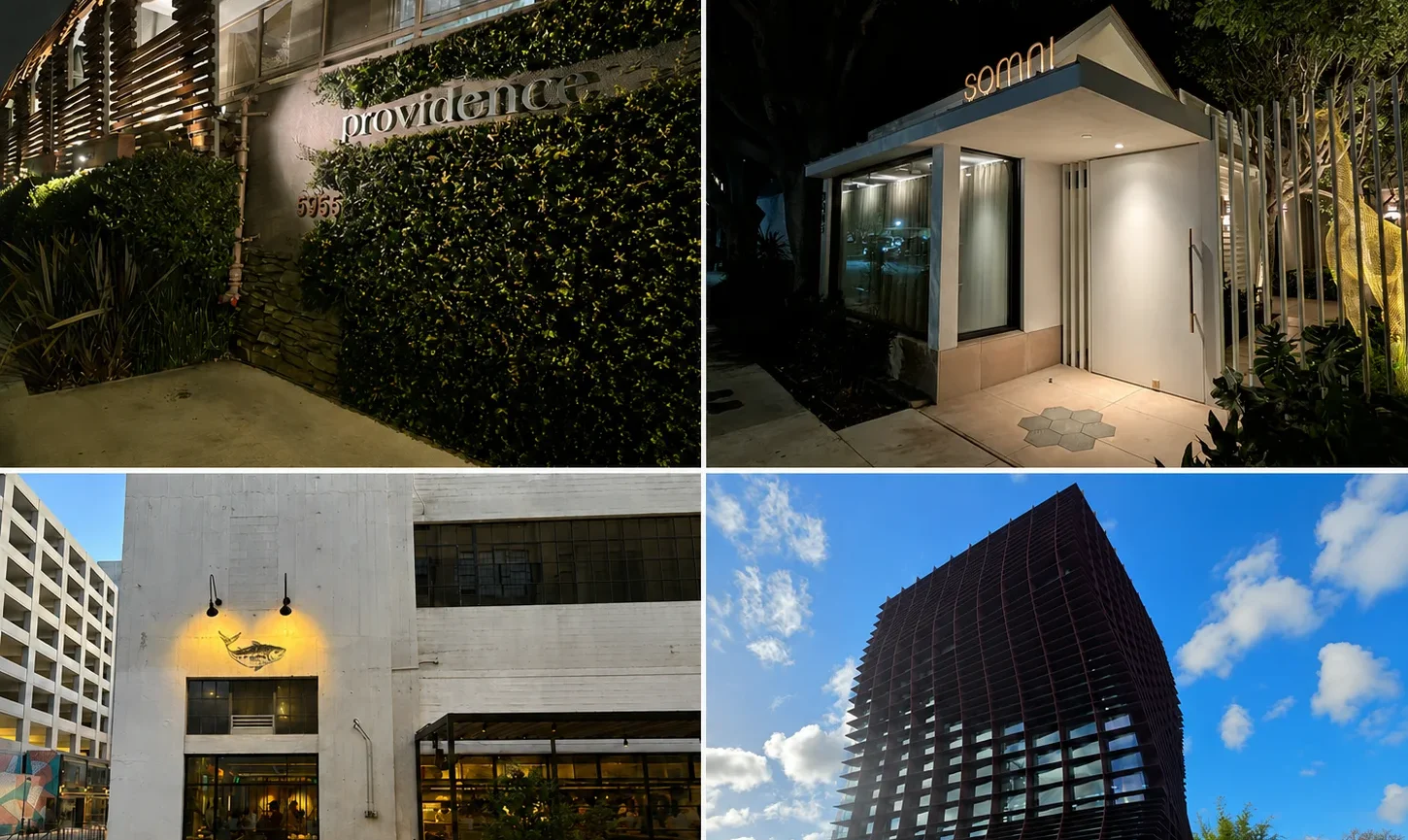
Los Angeles spent decades being treated as a place you ate well by accident. That is over. The 2026 Michelin Guide California lists 25 starred restaurants in Los Angeles alone, including two at three stars, and the city that once got written off as a stop between San Francisco and San Diego now holds tables people fly in for.
Somni and Providence carry those three stars. Neither had them five years ago. Below them sits a two-star tier that added Kato in June 2026 and a one-star bench nineteen restaurants deep, running from Edomae sushi counters to Taiwanese tasting menus to a Pico-Robertson dining room that earned a star less than six months after opening.
For a luxury traveler, finding a good meal in this city was never the difficult part. The difficulty is knowing which room suits which night, how to secure the table without six weeks of refreshing a reservation app, and how to walk in looking like you belong there.
How to Use This Guide
Fine dining in Los Angeles sorts into three lanes, and the distinction matters more here than in most cities.
- The pilgrimage tables are the tasting-menu restaurants. Somni, Providence, Kato, Hayato, n/naka. Dinner is the entire evening, it runs three hours, and you plan the rest of your day around it.
- The scene and power tables are Spago, The Polo Lounge, Matsuhisa, Wally’s. The cooking is serious, but so is the room, the clientele, and your table’s position in it. Deals close at these tables on a Tuesday afternoon.
- The view tables run along the coast. Nobu Malibu and Geoffrey’s prove that a Pacific sunset can carry a meal without the kitchen coasting on it.
A well-built luxury itinerary takes one from each lane. One serious tasting menu. One quintessentially Los Angeles power room. One evening facing the ocean. Push past that and the trip starts to feel like competitive eating in expensive shoes.
The Pilgrimage Tables
These are the reservations worth planning a trip around. Book early and know what you are walking into.
Somni (West Hollywood) | Three Stars
Aitor Zabala trained in the El Bulli kitchen, and the choreography here shows it. Somni seats fourteen guests around a Spanish-inflected avant-garde tasting menu built on California ingredients, and it is widely described as the most expensive restaurant in the city.
The backstory is worth having. Zabala’s original Somni opened inside the SLS Beverly Hills in 2018, tucked within José Andrés’s Bazaar, and closed as a pandemic casualty in 2020. He kept the name, split from Andrés’s group, and rebuilt from nothing in West Hollywood. Michelin awarded three stars when the new room was seven months old.
This is the most rarefied seat in Los Angeles. Treat it accordingly when you plan. Beverage requirements and service charges can push the total toward or past four figures per guest, availability is severely limited, and arriving late will disrupt a menu built around timing.
Best for: the traveler who wants the hardest table in the city and is comfortable paying for it.
Providence (Hollywood) | Three Stars
The more classical of the two three-star restaurants, and the one to book for an anniversary or a milestone birthday. Michael Cimarusti and Donato Poto opened Providence in 2005 and spent twenty years holding the line before Michelin awarded the third star in its anniversary year.
The seafood is line-caught, the technique leans French, and the room holds a Green Star for sustainability. What separates Providence from everything else at this level is the hospitality. It is gracious and unhurried in a way that makes a $400 tasting menu feel earned. If you want a special occasion executed without a single misstep, this is the booking.
Best for: flawless celebrations where nothing can go wrong.
Kato (Downtown) | Two Stars
Jon Yao’s Taiwanese-American tasting menu joined the guide with one star in 2019 and was promoted to two in June 2026. Anyone who has eaten there in the last two years will tell you the promotion arrived late.
The food is seafood-forward and reads as personal, which is rarer at this level than it should be. Yao is cooking his own memory rather than executing a technique showcase, and the menu changes accordingly.
Best for: the serious food traveler who wants the restaurant currently generating the most conversation in the city. Guests who avoid seafood will find the menu limiting.
Vespertine (Culver City) | Two Stars
Jordan Kahn’s restaurant lives inside Eric Owen Moss’s steel-and-glass sculpture of a building, and the meal is engineered to be as architectural as the space around it. Opinions split hard. Some diners describe it as transcendent, others find it exhausting, and both reactions are fair responses to the same three hours.
Best for: travelers who want a dinner they will still be arguing about a year later.
Mélisse (Santa Monica) | Two Stars
Josiah Citrin’s intimate tasting room seats roughly fourteen and cooks farmer-driven modern Californian food at a high level. This is classic luxury, and it does not chase trends.
One useful detail: Citrin, the one-star sibling restaurant, shares the same space and kitchen family. It is the more approachable à la carte option if your party wants the pedigree without committing to a full tasting menu.
Best for: a romantic milestone that does not need theater.
Hayato (Arts District) | Two Stars
A tiny, deeply traditional Japanese kappo counter that became one of the hardest reservations in Los Angeles almost entirely by word of mouth. There is no spectacle here. The room is quiet and exacting, which is precisely the appeal for travelers who have already done the louder tasting menus in other cities.
Best for: guests who have eaten everywhere and want the counter nobody is posting about.
n/naka (Palms) | One Star
Read this one carefully, because most of the internet has it wrong. n/naka held two Michelin stars from 2019 through 2024 and dropped to one in 2025. It remains at one star in the 2026 guide. Nearly every cached listicle and older travel article still says two.
The star count changed. The experience did not shrink. Niki Nakayama’s modern kaiseki, made famous by Chef’s Table, still runs a months-long waitlist for roughly 26 seats, and the hospitality remains among the most personal in Los Angeles. This is still a pilgrimage table.
Best for: food travelers who care about the meal and not the metric.
Osteria Mozza (Hollywood) | One Star
Nancy Silverton’s refined Italian room is the accessible-luxury pick here, and the pedigree behind the accessibility is real. It also handles a group, which most of the restaurants above cannot. If your travel party does not want a tasting menu every night, this solves the problem.
Best for: larger parties and travelers who want a great dinner without a three-hour commitment.
The Rest of the 2026 List
Los Angeles carries nineteen one-star restaurants in the current guide, and several suit this audience well. Restaurant Ki in Little Tokyo runs a modern Korean tasting menu worth the drive. Mori Nozomi is a serious West LA omakase counter. Sushi Kaneyoshi, Shin Sushi, and Nozawa Bar cover the rest of the high-end sushi field.
The June 2026 ceremony added a genuine wave of new one-star rooms: Lielle in Pico-Robertson from Swedish chef Marcus Jernmark, which earned its star less than six months after opening, alongside Corridor 109 in Melrose Hill, Kojima in Sawtelle, Miura, and Seline in Santa Monica from chef Dave Beran. Orsa & Winston, Meteora, Kali, Heritage, Holbox, and Pasta|Bar in Encino round out the list for travelers who want something outside the straight tasting-menu format.
Two notes on movement in the 2026 guide, since this scene shifts every June. Camphor and 715, both in the Arts District, lost their stars in the 2026 guide, as did Morihiro after relocating to Echo Park. Gucci Osteria da Massimo Bottura in Beverly Hills, a one-star holder in 2025, does not appear in the 2026 list. All three are still open and still worth eating at. They no longer carry the designation.
The Scene and Power Tables
These are the rooms where the setting, the service, and the clientele weigh as much as the plate. If you want to understand how this city does business and romance over dinner, start here.
- Spago Beverly Hills is Wolfgang Puck’s flagship and the definitive power-lunch institution in town. It has held that position for decades with no sign of slowing. The concierge move is simple: request the patio.
- The Polo Lounge, inside the Beverly Hills Hotel, is where old Hollywood glamour and modern dealmaking overlap. You go either to be seen or, more commonly, to be discreetly unseen while everyone around you conducts business. It performs best at breakfast and lunch.
- Matsuhisa Beverly Hills is Nobu Matsuhisa’s original location and still the blueprint for the entire Japanese-Peruvian genre he invented. It has been a celebrity mainstay for decades, which counts for something in a city that discards trends fast.
- Crustacean Beverly Hills, run by the An family, brings modern Vietnamese cooking into a theatrical room built around a secret kitchen concept. It is designed for an entrance, and it delivers one.
- Wally’s Beverly Hills is the wine-forward option with high odds of an A-list sighting on a given night. It suits a relaxed but unmistakably moneyed evening.
If you have room on the list, Sushi Park, Il Pastaio, and Funke are currently the toughest reservations in this category, and locals treat them that way.
The View: Ocean-Cliff and Skyline Dining
Los Angeles offers a category most cities cannot touch. Dinner with the Pacific doing the work on ambiance.
Nobu Malibu
This sits directly on the sand and holds the most coveted sunset table on the coast, celebrity-dense on any given evening. The concierge tip: request the earlier sunset seating on the deck. The light is the entire point, and the later seating misses it.
Geoffrey’s Malibu
This place is the cliffside PCH landmark and the more romantic of the two. Classic California-Mediterranean cooking under an ocean panorama that does not photograph as well as it looks in person.
Mastro’s Ocean Club
The club delivers the steakhouse version of the same view, with the seafood tower and the piano bar intact. It reopened in May 2025 after the fire and has been running at full service since.
Lucky’s Malibu
This place, inside the Malibu Country Mart, is a polished modern steakhouse reinterpreting old Beverly Hills glamour for the coast. The room carries this one more than the view.
Water Grill Santa Monica
This restaurant sits near the pier and runs on boat-to-table freshness. Locals eat here.
For the skyline version instead of the ocean, 71Above downtown serves a prix fixe menu under a floor-to-ceiling city panorama. The smart-casual dress code is enforced, so leave the shorts and athletic wear at the villa.
A Note on Malibu Since the Fire
The January 2025 Palisades fire reshaped this stretch of coast, and travel guides published before mid-2025 will steer you wrong. LAist maintains a running status list of fire-affected restaurants in Malibu and the Palisades. Here is the current picture.
Pacific Coast Highway reopened to the public in May 2025 after roughly five months of closure. Nobu, Geoffrey’s, Duke’s, and Gladstone’s all survived the fire without structural damage. Gladstone’s brought its deck back in July 2025. Duke’s took the longest, closing for fourteen months after mudslides sent four feet of debris through the building, and reopened fully renovated in March 2026.
Moonshadows did not survive. After nearly forty years on PCH, it is gone, though its kitchen lives on at sister restaurants The Sunset and Ca’ Del Sole.
Now book Malibu with confidence. Just check current hours directly, since several restaurants are still running adjusted schedules while staffing stabilizes.
If you are still choosing dates, our season-by-season guide to Malibu covers when the coast is at its best.
How Far Ahead to Book at These Places
The tasting temples need real lead time. Plan 30 to 60 days out for Somni, Providence, Kato, and Hayato. Many release seats on a fixed date and hour through Resy, Tock, or Exploretock, so setting an alarm changes your odds materially. n/naka operates a months-long waitlist instead of a rolling booking window, which is a different problem and needs a different approach.
Scene tables move faster. Spago, The Polo Lounge, and Nobu Malibu typically need one to three weeks, though prime sunset and Saturday-night windows disappear first.
Then there is the layer that never shows up on an app. The hardest tables in this city frequently open through a hotel or villa concierge, or through the restaurant’s own private list, well before public inventory appears. Sommelier dinners, wine-room tables, kitchen seats, and same-day cancellations circulate the same way. This is where a dedicated concierge stops being a convenience and starts being the reason you got the table.
A few etiquette points worth internalizing. Many counter restaurants hold your seat for fifteen minutes past the reservation time and no longer. Reconfirm the day before. Cancel properly if plans change, because no-shows can permanently blacklist you from rooms you will want to return to.
Dress Codes, Decoded
- The tasting counters (Somni, Providence, Kato, Hayato, n/naka, Mélisse) run smart, elevated. For men, a jacket without a tie is the safe read, a collared shirt is the floor, and dark denim passes at the more modern rooms but not at Providence. For women, a dress, tailored separates, or elevated knitwear all work. No athletic wear anywhere near these rooms.
- The Beverly Hills scene tables enforce their standards explicitly. The Polo Lounge prohibits shorts and flip-flops and prefers a jacket at dinner. Spago sits at a similar level. Assume the room is dressed and match it.
- Malibu’s view restaurants run coastal elegant. Linen, a sundress, loafers without socks. Nobu tolerates a looser interpretation than any Beverly Hills power table would, but beachwear still reads as beachwear no matter how good the sunset is behind you.
- 71Above enforces smart casual at the door.
One blanket rule holds across every restaurant on this list. Los Angeles rewards understated money over visible money. Err elevated, skip the logos, and you will be correctly dressed everywhere.
What It Costs
Prices at this tier move, so treat these as ranges to confirm closer to your trip.
Three-star tasting menus at Somni and Providence run roughly $250 to $500 and up per person before wine, with Somni at the top of that range. Two-star tastings at Kato, Vespertine, Hayato, and Mélisse commonly land between $225 and $350. One-star omakase and tasting formats generally run $150 to $350 depending on the room.
Wine pairings frequently add $150 or more. On top of the menu price, budget for tax, an 18 to 20 percent service charge, and valet.
At this level, the bill covers the experience and the access. Ingredients are the smallest line item in it. Most travelers appreciate knowing the shape of the number before they sit down.
VIP and Private Experiences
Most restaurants on this list offer private dining rooms or full buyouts for milestone celebrations and business dinners. Securing one usually means reaching the events team directly, which a concierge can do through a real point of contact instead of a generic inbox.
The genuine VIP seat at most of these restaurants is not the private room. It is the chef’s counter. A seat at Somni’s counter, or Hayato’s, puts you closer to the craft than any semi-private space can, and regulars treat it as the more coveted of the two bookings.
There is also the option most luxury travelers underuse: bringing this caliber of cooking to you. A private chef with Michelin-level pedigree, a menu built around your party, an ocean-view terrace instead of a shared dining room, and no reservation pressure at all. For a milestone night or a group larger than six, it often beats fighting for a table.
Where to Dine by Neighborhood
Where you stay should shape which of these tables you prioritize. Los Angeles traffic makes geography a real constraint on how many of them you can reach.
Beverly Hills
Spago, Matsuhisa, Crustacean, Wally’s, and The Polo Lounge all sit inside a compact luxury corridor. The Golden Triangle is walkable by LA standards, though heat, heels, and shopping bags often make a car the better call.
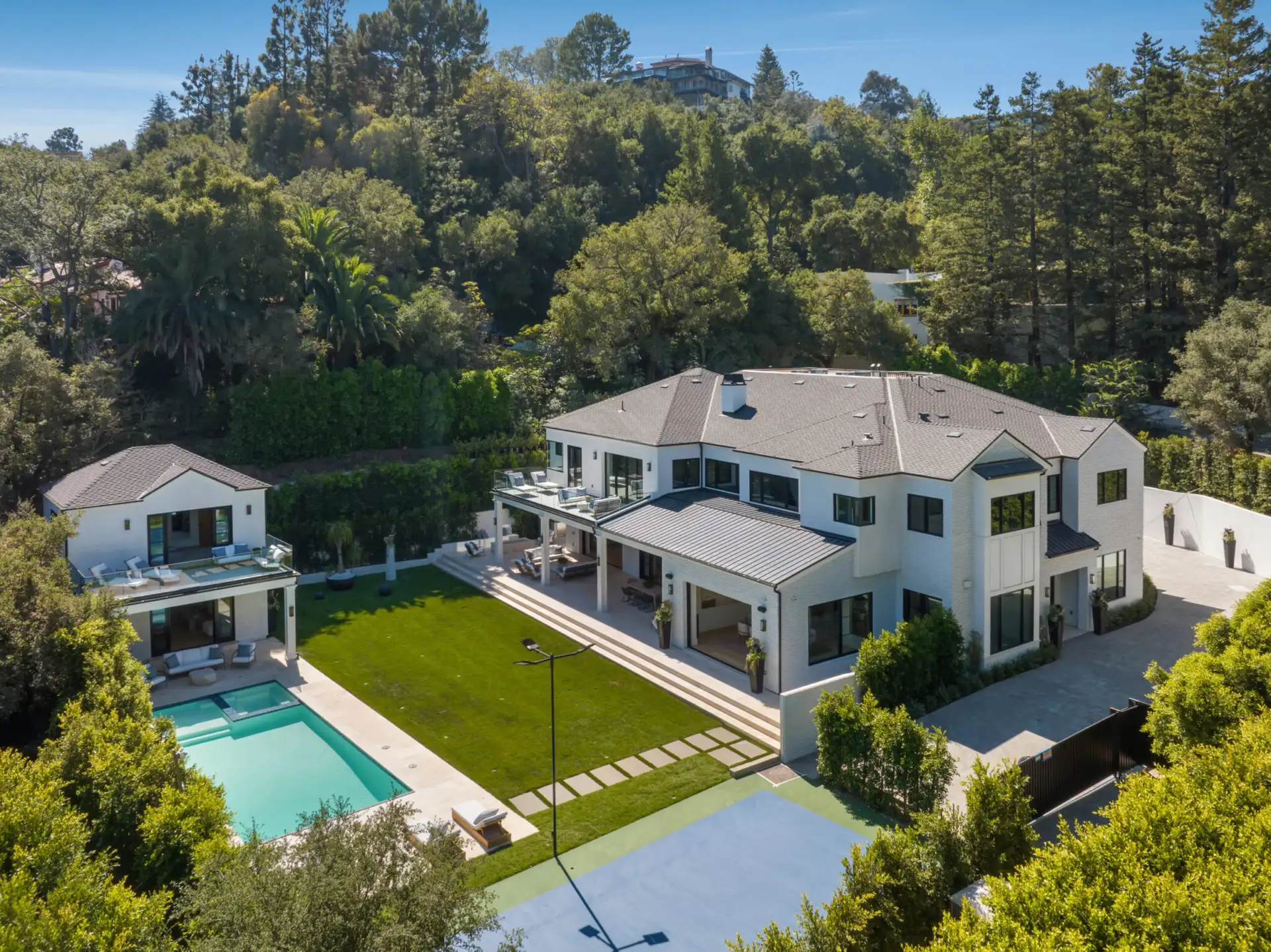
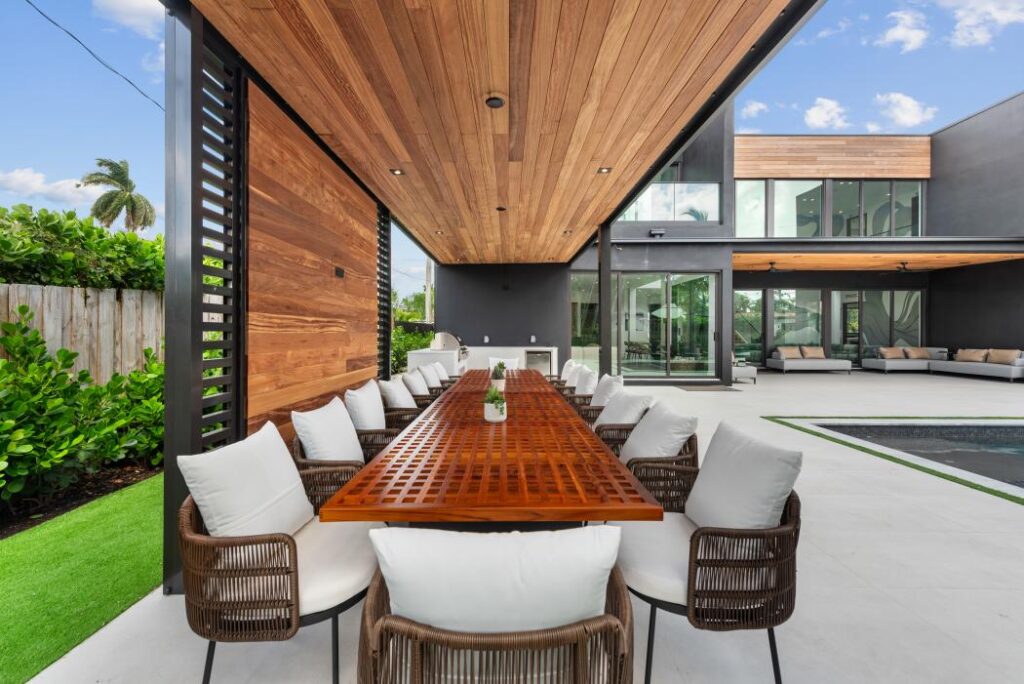
Choose Beverly Hills for polished service, recognized names, and a scene where business and pleasure overlap almost invisibly. Staying in a Beverly Hills villa lets you move between shopping, a spa appointment, and dinner without losing an hour to traffic between each. A private estate nearby also means the evening can continue with drinks or dessert somewhere the public dining room cannot follow.
West Hollywood and the Hollywood Hills
This is where the city’s most ambitious cooking lives. Somni holds the most exclusive tasting menu in Los Angeles, and Providence, a few minutes east, remains the defining choice for refined seafood and milestone occasions. The surrounding area carries design-led restaurants, serious cocktail bars, and late-night rooms for guests who want a full evening built around dinner.
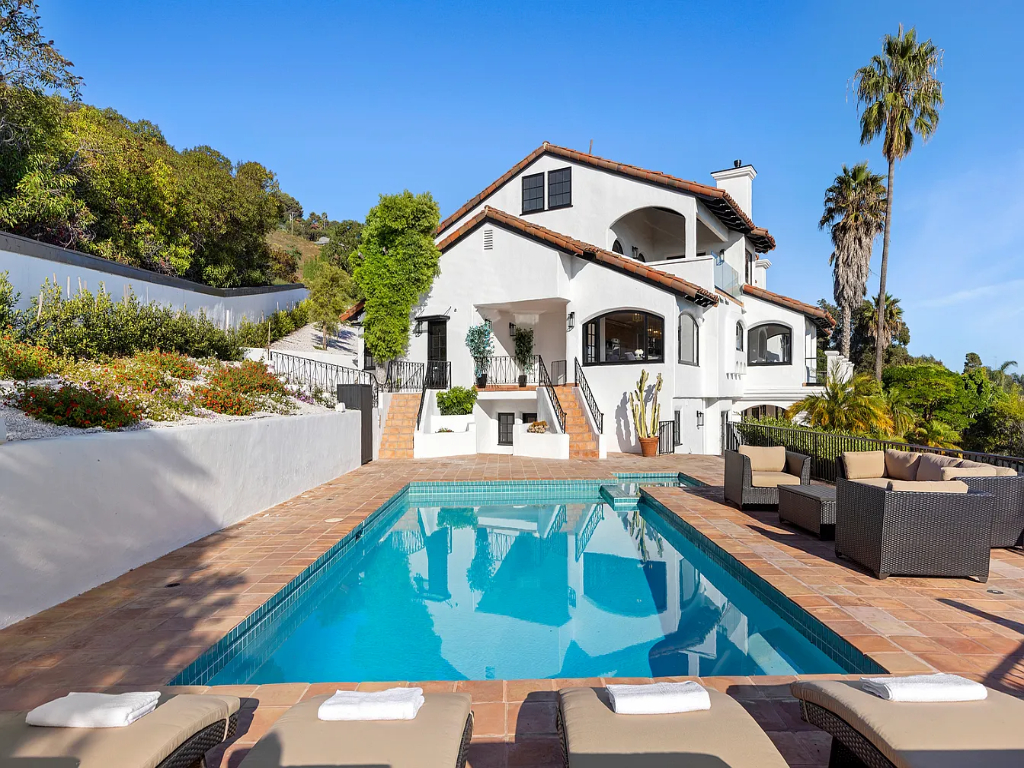
A Hollywood Hills villa gives you privacy without distance. After three hours at a tasting counter, returning to a quiet hillside property with skyline views beats crossing the city to a hotel lobby.
Malibu
Nobu, Geoffrey’s, Mastro’s Ocean Club, and Lucky’s define coastal luxury here. Sunset drives the schedule, and PCH drives the timing. Build in the drive when you book, not just the table.
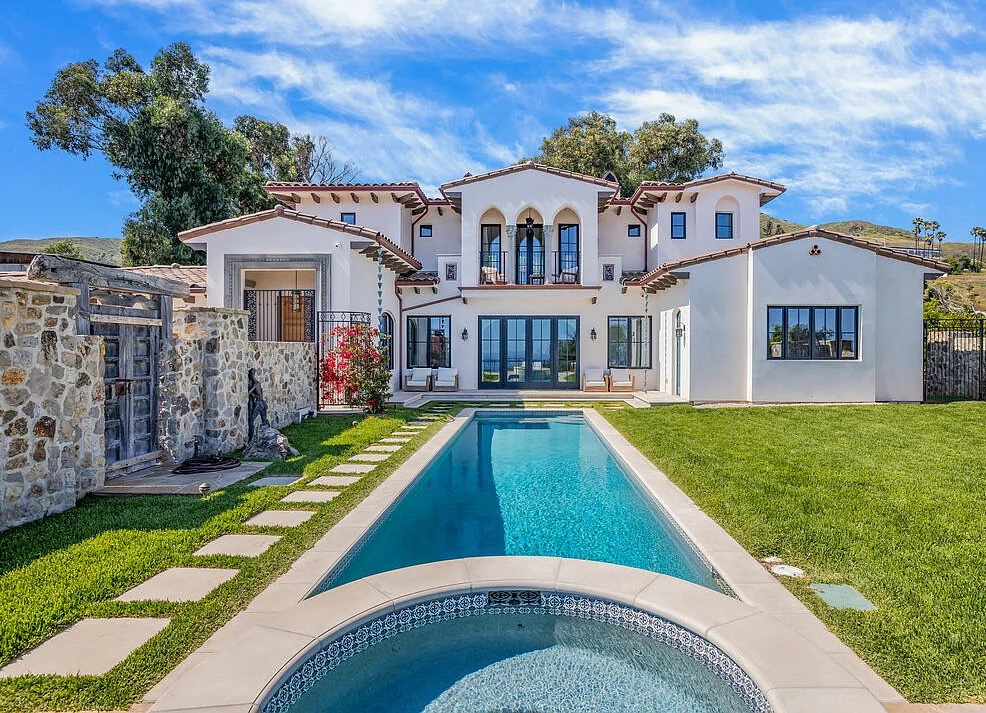
Malibu luxury villa changes the evening most. There is no rush back across the city after dinner, and the night continues on a private terrace over the Pacific. It also opens the option of alternating restaurant nights with private-chef dinners at home, usually with a better view and none of the reservation pressure.
Santa Monica
Santa Monica pairs serious cooking with a slower coastal rhythm. Mélisse and Citrin cover refined French-Californian, Seline brings the newest Michelin momentum, and Water Grill handles polished seafood near the beach. The area suits travelers who want excellent restaurants without the social intensity of Beverly Hills.
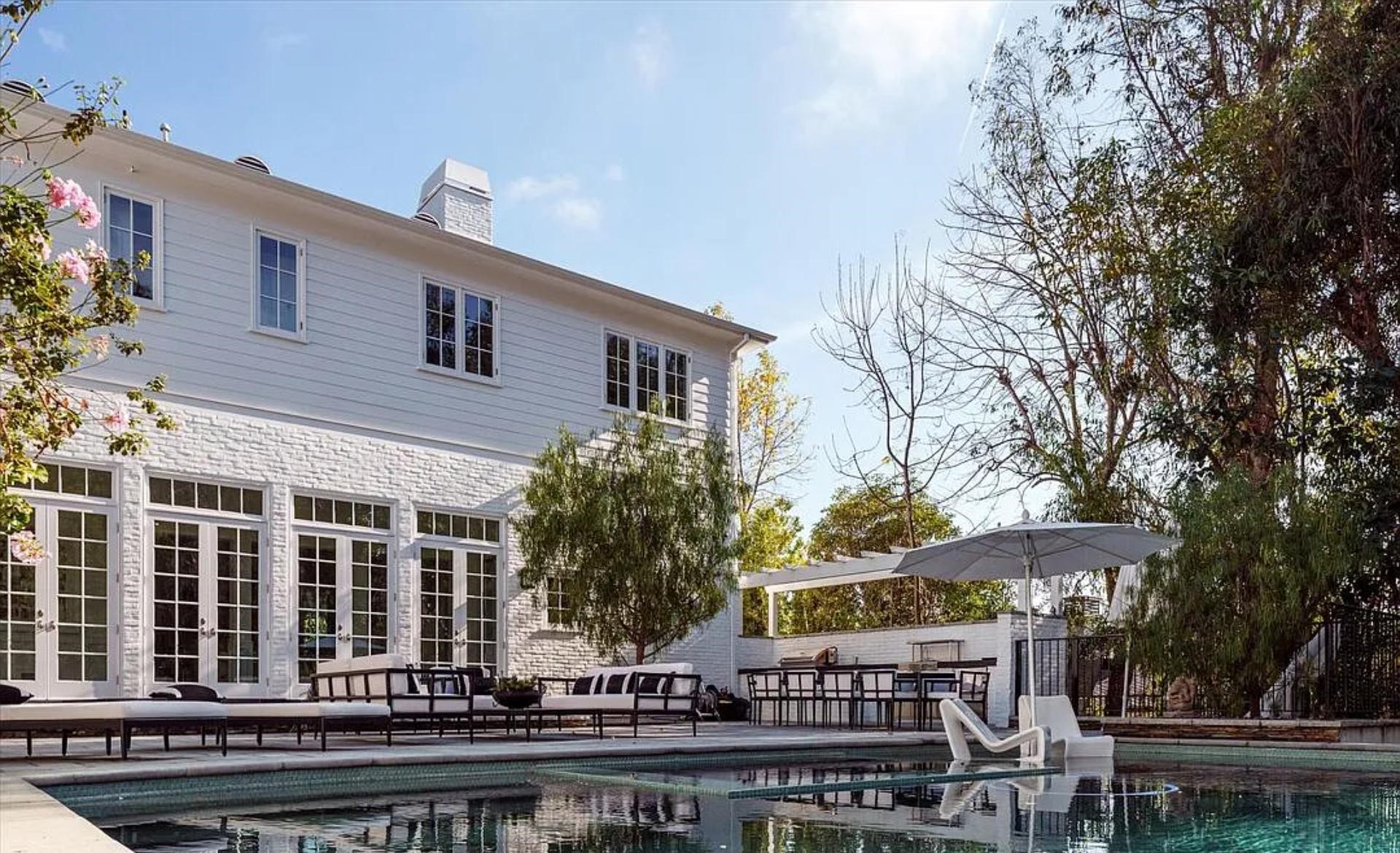
A Santa Monica villa works especially well for longer stays. Guests can walk or take a five-minute drive to dinner, spend the day near the ocean, and return to a residence instead of a busy resort.
Downtown and the Arts District
This is where the current momentum sits. Kato and Hayato anchor the area with three Michelin stars between them, and 71Above adds the skyline prix fixe upstairs. Camphor and 715 remain excellent even after losing their stars in 2026, and the surrounding blocks carry the best concentration of ambitious independent kitchens in the city.
Downtown rewards travelers who want to eat where the scene is actually moving. It is also the least polished of the luxury areas, which is part of the appeal for guests who have done Beverly Hills before. Plan on a driver at night.
The Valley and Westside Pockets
For guests staying north of the hills, Pasta|Bar in Encino and Kojima in Sawtelle justify the detour, alongside a growing set of Sherman Oaks and Studio City rooms that visitors almost never find.
⌂
Elevate Your Los Angeles Dining Experience
Choose a Villoura villa near the restaurants you want most, then let the concierge handle reservations, private chefs, luxury transport, and the details in between.
Matching the Restaurant to the Occasion
- Once-in-a-trip celebration. Somni or Providence.
- Closing a deal. The Polo Lounge or Spago, both at lunch.
- Romantic anniversary. Geoffrey’s at sunset, or Mélisse.
- Serious food pilgrimage. Kato, n/naka, or Hayato.
- First time in Los Angeles. Nobu Malibu, early seating, on the deck.
- Large group or milestone with range. Osteria Mozza, or a private-room buyout at any of the above.
The Meal Is Half the Night
Everything above gets you the reservation and the room. The other half of the evening is where you go afterward, and in a city this spread out, that decision shapes the trip more than most travelers expect.
Staying in a Los Angeles villa puts you inside the corridors these restaurants occupy instead of commuting between them. You skip the traffic, you skip the reservation scramble, and you finish the night on your own terrace instead of a hotel bar. When you would rather not go out at all, the concierge can arrange a private chef to build the meal around your party, in complete privacy, with the same caliber of cooking and none of the logistics.