
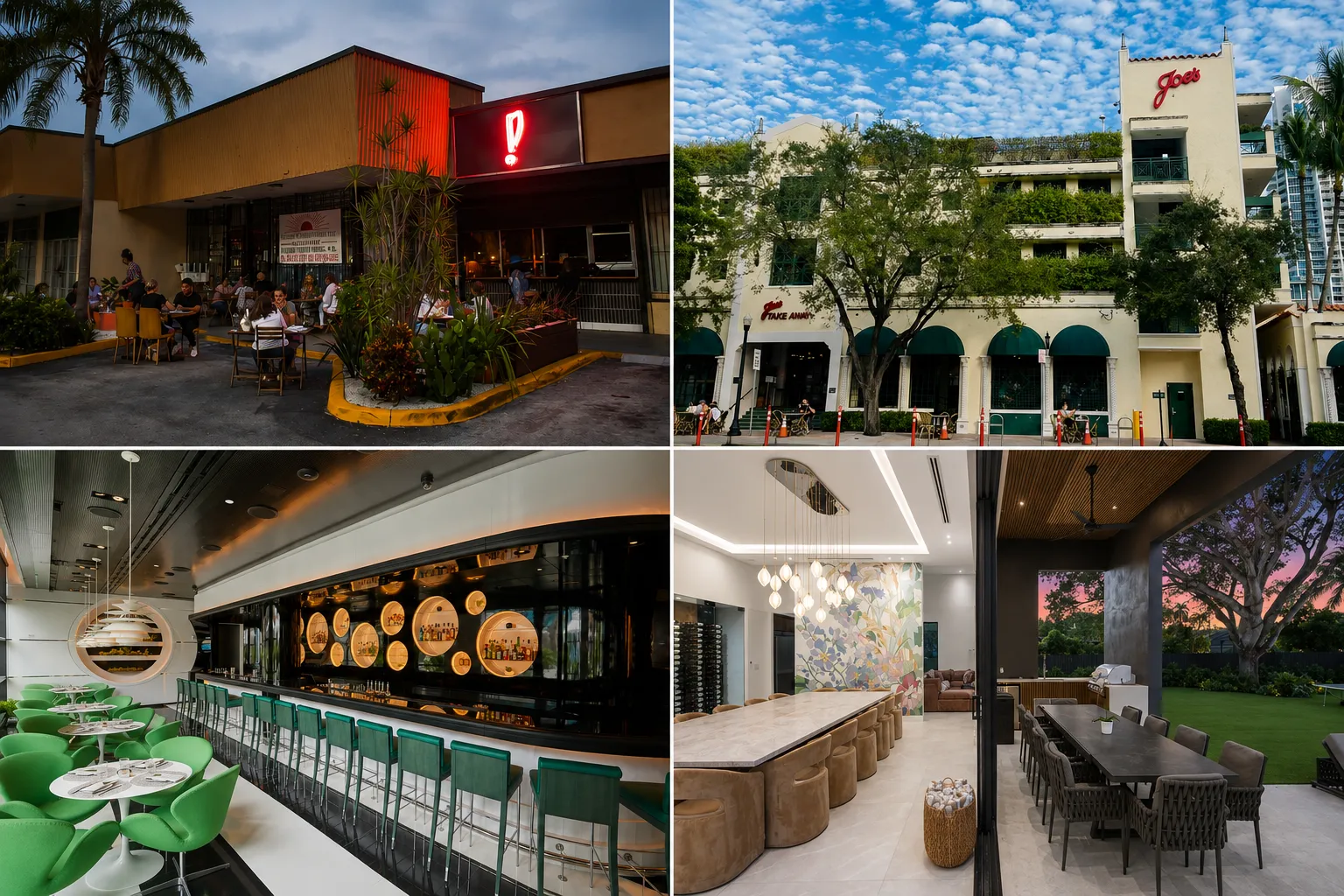
Miami’s fine dining ceiling is L’Atelier de Joël Robuchon in the Design District, the only two-Michelin-star restaurant in the city and one of just two in the entire state. Below it sits a deep bench of thirteen one-star rooms, including Le Jardinier, COTE Miami, Boia De, Los Félix, Stubborn Seed, and the newly starred Mutra in North Miami.
The 2026 Michelin Guide Florida, revealed on May 28, was the first edition to cover the whole state from the Panhandle to Key West. It recognized 26 starred restaurants statewide. Miami and Miami Beach took 18 of the stars on offer, more than any other Florida destination, along with all three of the state’s Green Stars.
That is the scoreboard. It is not the trip.
If you are planning an actual week here, the number of stars on a building is the least useful thing to organize around. The useful questions are which room fits which night, how far ahead you can realistically book each one, and where you go back to after the check arrives. A hotel room resets you to zero every morning. A private villa does not. That gap is what this guide is really about.
Michelin-Starred Restaurants in Miami in 2026
Two things changed this year. The guide went statewide for the first time, having already expanded in 2025 from its original Miami, Orlando, and Tampa footprint to include Greater Fort Lauderdale, The Palm Beaches, and St. Pete-Clearwater. And Mutra in North Miami became the first kosher restaurant anywhere in the world to earn a Michelin star, which is the kind of first that tends to happen in Miami before it happens elsewhere.
Two things did not change. There is still no three-star restaurant anywhere in Florida, so treat any claim otherwise as marketing. And L’Atelier holds its two stars for a third consecutive year. Here is the full Miami roster:
| Restaurant | Neighborhood | Cuisine | Michelin | Best for |
|---|---|---|---|---|
| L’Atelier de Joël Robuchon | Design District | Modern French, counter | Two stars | The landmark meal, milestone occasions |
| Le Jardinier | Design District | Vegetable-forward French | One star | Lighter, less formal serious cooking |
| COTE Miami | Design District | Korean steakhouse | One star | Tableside grilling, celebratory groups |
| Boia De | Buena Vista | Italian, handmade pasta | One star | Intimate, chef-driven, low ceremony |
| Elcielo Miami | Brickell | Colombian, avant-garde | One star | Multisensory tasting, first-timers to the format |
| Hiden | Wynwood | Omakase | One star | Hard-to-find counter, seafood-led evenings |
| Ogawa | Little Haiti | Omakase | One star | Purist sushi, small counter, no scene |
| Ariete | Coconut Grove | Cuban-American, French technique | One star | Duck press, food that exists nowhere else |
| Los Félix | Coconut Grove | Mexican | One star + Green Star | Heirloom corn, mezcal and wine pairing |
| Stubborn Seed | South Beach | Modern American | One star + Green Star | Farm-driven tasting menu, sustainability |
| Tambourine Room by Tristan Brandt | North Beach | Contemporary European | One star | Quiet, precise, off the tourist grid |
| Mutra | North Miami | Middle Eastern, kosher | One star (new 2026) | Kosher fine dining, genuinely novel cooking |
| Shingo | Coral Gables | Omakase | One star | Historic setting, intimate counter |
| The Surf Club Restaurant | Surfside | Continental | One star | Thomas Keller pedigree, oceanfront rooms |
Miami’s three Green Stars, Michelin’s sustainability recognition, go to Los Félix, Stubborn Seed, and Krüs Kitchen. Krüs Kitchen in Coconut Grove is Michelin Recommended rather than starred, which makes it one of the better value bookings in the city if you care about sourcing more than accolades.
Where to Eat in Miami by Neighborhood
Where you eat here depends on where you sleep more than it does in most cities. Traffic is real, valet lines are longer than they should be, and a twenty-minute drive at 8 pm on a Friday quietly becomes forty-five. Choosing where to stay in Miami with your dinner plans in mind is the single highest-leverage decision of the trip.
Design District: The One Extraordinary Meal
Start here if the week is being built around a single unforgettable night. L’Atelier and Le Jardinier occupy the same building, which sounds trivial until you understand what it lets you do. Book the 34-seat counter at L’Atelier for the big night, then come back the following evening for Le Jardinier’s lighter, vegetable-forward prix fixe without moving your car.
L’Atelier’s pommes purée has a reputation that arrives before the plate does, silky in a way that makes you reconsider what everyone else has been doing. Sit at the counter. The kitchen is the room, and the seat you choose changes the meal more here than almost anywhere else in the city.
COTE Miami is a few minutes away, and it is the correct answer when there are eight of you and one of you has opinions about dry-aging. Korean steakhouse, tableside grills, and a pace that suits a table that wants to talk.
The Design District has almost no private residential rental inventory, so plan on a short drive in from Brickell, the Grove, or the Beach. That is genuinely fine. It is one of the easier approaches in the city outside rush hour.
Brickell: High-rise Dinners and Elcielo
Brickell is where a lot of luxury travelers actually base themselves, and it is underrepresented in most Miami dining guides. Elcielo, chef Juan Manuel Barrientos’s Colombian tasting menu, is the starred room here, and it is the most theatrical fine dining experience in the city. Courses arrive as puzzles, and there is a chocolate hand-washing moment that people either love or find slightly much. If you have never done a multisensory tasting menu, this is the one to do first.
Brickell’s advantage is compression. You can eat here, walk to a bar, and be back at a high-rise residence in ten minutes. For groups who want a night out without a driver on standby, it is hard to beat.
South Beach and Mid-Beach: Stubborn Seed, Joe’s, and the Institutions
This stretch covers a lot of ground, and it helps to know which corner you are in.
Stubborn Seed sits in South Beach proper, where chef Jeremy Ford runs the farm-driven tasting menu that earned both a Michelin star and a Green Star. Produce comes from just outside the city, and the kitchen is unusually good at making sustainability taste like a choice rather than a constraint.
Joe’s Stone Crab is a completely different kind of institution. It opened in 1913, two years before Miami Beach was incorporated as a city, and it still runs on rhythm rather than reputation. Two things to know before you plan around it. Florida’s stone crab season runs October 15 to May 1, and while Joe’s serves claws year-round, the fresh ones only exist inside that window. Outside it, the main dining room runs a reduced schedule or closes entirely for part of late summer, so confirm before you build a night around it.
The second thing matters more. Joe’s takes reservations only 14 days out, through OpenTable, and no further. If someone tells you to book a month ahead, they have not checked. Walk-ins are still core to how the room works, so the real play is to arrive early, check in with the maître d’, and have a drink at the bar while you wait. That bar is arguably the better seat anyway.
Further north in Mid-Beach and North Beach, Tambourine Room by Tristan Brandt is the room almost nobody on a first trip books, and it is the one most likely to surprise you. Small, precise, contemporary European, and blessedly free of scene.
Nearby, Nobu Miami has operated inside the Nobu Hotel on Collins Avenue since 2016. It is not starred, but the Japanese Peruvian menu holds up, and the oceanfront setting suits it.
Coconut Grove: The Quiet Base People Underrate
The Grove is the neighborhood travelers forget about until they stay there, and then they do not stop talking about it. Leafy, walkable, and noticeably quieter after dark than South Beach, which makes it the right base when the point of the trip is dinner rather than nightlife.
Ariete is chef Michael Beltran’s Cuban-American room, cooked with French technique, and it won Miami’s first Michelin star back in 2022. The signature is the canard à la presse, a duck aged around three weeks and finished tableside on a medieval-style press, served as a full meal for two at roughly $160. It is not a dish you will find another version of anywhere else in the country.
A short walk away, Los Félix goes the opposite direction, building everything around heirloom corn and traditional nixtamalization. That ingredient-level commitment is what earned it a Green Star alongside its Michelin star. The two restaurants sit close enough to walk between for a pre-dinner drink, which is exactly the kind of low-effort luxury a Coconut Grove stay is built for.
Coral Gables and Surfside: Serious Food, No Scene
These two do not get grouped together often, but they share the same appeal. Both are residential, both are quiet, and both are for travelers who want the cooking without the crowd.
Coral Gables, with its Mediterranean Revival architecture and canopied streets, is home to Shingo, an intimate omakase counter that rewards anyone willing to skip the beach for a night. Surfside, further up the coast, is where you will find The Surf Club Restaurant, Thomas Keller’s Miami dining room inside a historic oceanfront club. It is probably the most photographed room in the city, and the photographs undersell it.
The Private Islands: Where the Villa Comes First
Star Island, Palm Island, Hibiscus Island, and Fisher Island have no restaurants worth naming, and that is the point. Guests who stay here are choosing privacy and water access over walkability, then driving fifteen minutes to eat. If that is your trip, plan on a driver and build the dining around the Design District and South Beach, which are both close by causeway.
Two Comparisons Worth Making Before You Book
Here are the two decisions travelers actually get stuck on.
L’Atelier or Le Jardinier?
Same building, opposite commitments. L’Atelier is a two-star tasting counter that will take three hours and reorganize your evening around it. Le Jardinier is a seasonal prix fixe, vegetable-forward, considerably lighter, and easier to walk away from at a reasonable hour. If you have one night, take L’Atelier. If you have four, do L’Atelier early in the trip while your palate is fresh, and Le Jardinier later when you want serious cooking without the commitment.
Hiden, Shingo, or Ogawa?
Three omakase counters, three different reasons. Hiden in Wynwood is the hardest to get into and the most theatrical about it, tucked behind an unassuming front and seating very few. Shingo in Coral Gables is the most serene, set in a historic building and built for people who want to talk to the chef. Ogawa in Little Haiti is the purist’s pick, smallest and least concerned with anything but the fish. Book Hiden if the story matters. Book Ogawa if only the sushi does.
Beyond Michelin: Miami’s Scene Tier
Half the people searching for luxury dining in Miami are not looking for a tasting menu at all. They want the room where the city actually goes out. None of these hold stars. All of them are harder to book on a Saturday than most of the starred list.
| Restaurant | Neighborhood | What it is | Best for |
|---|---|---|---|
| Carbone | South Beach | Italian American, high theater | The dinner people photograph |
| Prime 112 | South Beach | Steakhouse institution | Old-school Miami power dining |
| Papi Steak | South Beach | Steakhouse, showmanship | Groups celebrating loudly |
| MILA | South Beach | Mediterrasian, rooftop | Dinner that turns into a night |
| Komodo | Brickell | Southeast Asian, three levels | Large groups, energy over quiet |
| Klaw | Edgewater | Seafood, king crab, waterfront | Views and shellfish |
| Zuma | Downtown | Contemporary Japanese, riverside | Business dinners that stay elegant |
| NAOE | Brickell Key | Bento-led Japanese, four seats | The most exclusive seat in the city |
If the trip includes a night out after dinner, sequence it deliberately. Our guide to Miami nightlife covers which rooms hand off well to which venues, and how far ahead the tables need locking down.
Which Restaurant Suits Which Trip?
- First time in Miami. L’Atelier for the landmark meal, Joe’s in season for the history, Ariete for food that could not exist in another city.
- Anniversary or milestone. L’Atelier’s counter, or The Surf Club Restaurant if the room matters as much as the plate.
- A group of eight or more. COTE Miami or Komodo. Both are built for volume without feeling like a banquet.
- Dining solo. Any of the counters. Hiden, Ogawa, Shingo, or L’Atelier. Counter seating is the one format where eating alone is an upgrade rather than a compromise.
- Traveling with kids. Boia De and Ariete both handle families better than their reputations suggest. Tasting-menu-only rooms generally do not.
- Kosher or dietary constraints. Mutra in North Miami, without hesitation. Chef Raz Shabtai’s contemporary Middle Eastern cooking is the first kosher restaurant in the world to hold a Michelin star, and it is not a novelty booking.
- Vegetarian-leaning. Le Jardinier and Los Félix, in that order.
How Far Ahead Should You Book?
Miami’s rooms run on wildly different clocks, and knowing which is which saves the most frustration.
Four to eight weeks: L’Atelier, Hiden, Ogawa, and Mutra. Lean toward the longer end if your trip lands during Art Basel Miami Beach in early December or the Formula 1 Miami Grand Prix in early May, when the entire city’s books tighten at once. The Miami Open in late March has a similar though milder effect.
Two to four weeks: most one-star rooms and the scene tier. Prime Friday and Saturday seatings still go first.
Fourteen days, maximum: Joe’s Stone Crab. That is their ceiling, not a suggestion.
Same week: weeknight seatings at Boia De, Le Jardinier, and Tambourine Room are more available than people assume, especially Tuesday and Wednesday.
The hardest tables in Miami frequently open through a concierge relationship or a restaurant’s own list well before they surface on a public app. And once you have the booking, honor it. Reconfirm same-day for counter seats and cancel properly if plans change. The tightest rooms in this city absolutely track no-shows, and Miami is small when it comes to reputation.
What Should You Wear to Fine Dining in Miami?
Michelin counters like L’Atelier, Hiden, and Elcielo call for elevated resort wear. A jacket is not required for men, but it is never out of place, and athletic wear or flip-flops will earn you a look you do not want.
The institution crowd, meaning Joe’s, Prime 112, and Carbone, reads more relaxed. Smart resort wear is genuinely fine. Waterfront rooms lean coastal elegant, so linen and lighter fabrics work well but just keep them pressed rather than beach-day casual.
One thing worth knowing if you are used to a different luxury market. Miami rewards confident color and tailoring more than it rewards understatement. That is almost the opposite instinct from Beverly Hills, where muted tones and quiet logos read as taste. Here, a little more presence is expected rather than judged.
What Does Fine Dining in Miami Cost?
Prices move, so verify at booking. As of August 2026, here is the shape of the check.
One-star tasting menus generally land between $150 and $200 per person before wine. Stubborn Seed publishes a six-course menu at $150, and a nine-course chef’s tasting at $200, which is representative of the tier.
L’Atelier sits above that. À la carte and two tasting menu formats are available, and the two-star tasting experience runs meaningfully higher than the one-star average. Worth knowing right now: L’Atelier participates in Miami Spice, the city’s late-summer restaurant promotion, currently offering a three-course lunch at $95 and a four-course dinner at $155. That is the cheapest legitimate route into a two-star dining room anywhere in Florida, and it exists for a few weeks a year.
The institution and scene tier runs less per head for à la carte, though stone crab at market price and dry-aged cuts push checks up fast without warning.
Wine pairings typically add $95 to $195 per person depending on the room.
None of this is really about the number. At this level, you are paying for access, and for an evening you cannot replicate at home. Still, knowing the general shape of the bill before you sit down tends to make the night better rather than worse.
Can You Bring Michelin-Level Cooking to Your Villa?
Yes, and for a certain kind of trip it is the better option.
Private dining rooms exist at several starred restaurants, and the chef’s counter at Hiden, Ogawa, or L’Atelier is the genuine VIP seat rather than the private room behind the door. Watching every course assembled a meter away is a more personal experience than eating in isolation, and first-time visitors are often surprised by that.
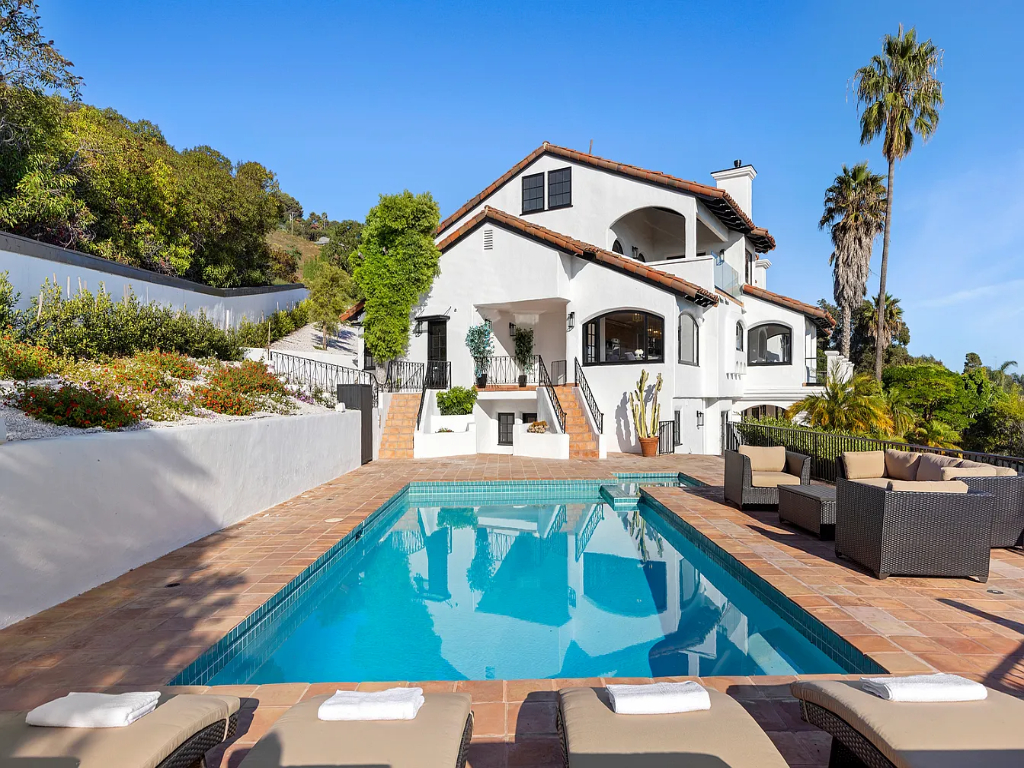
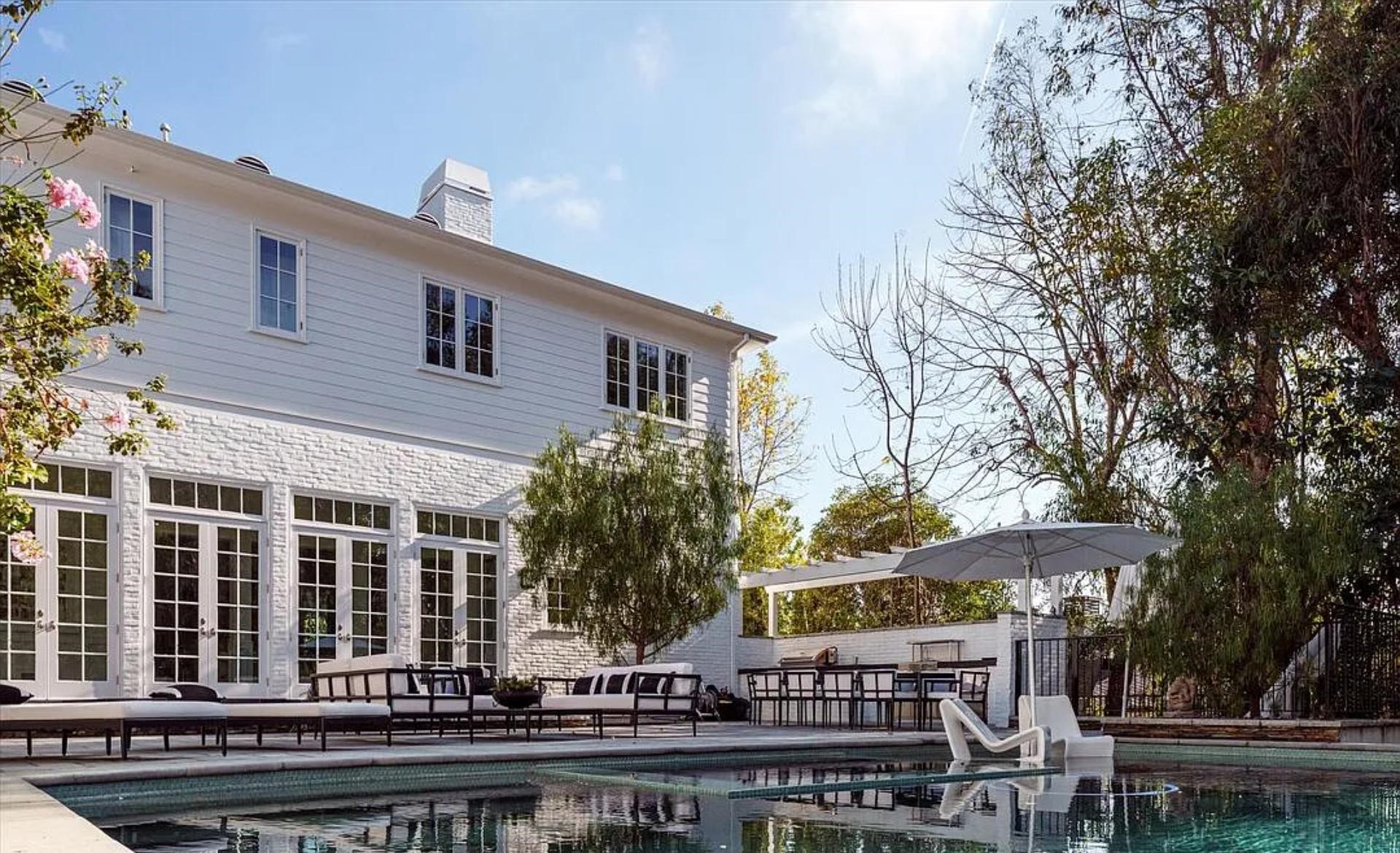
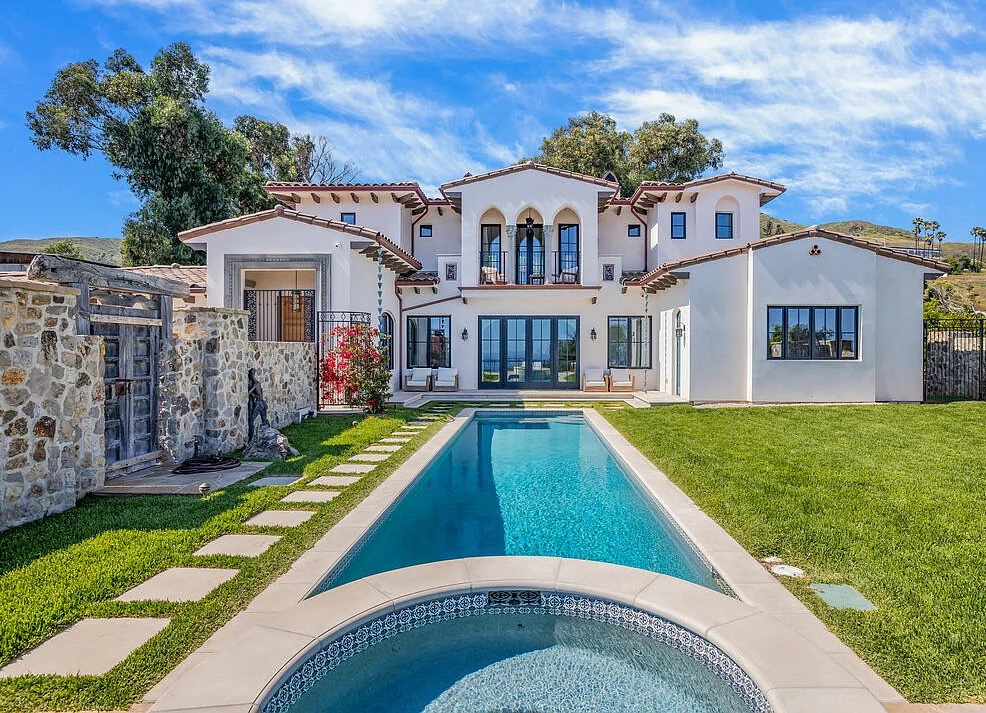
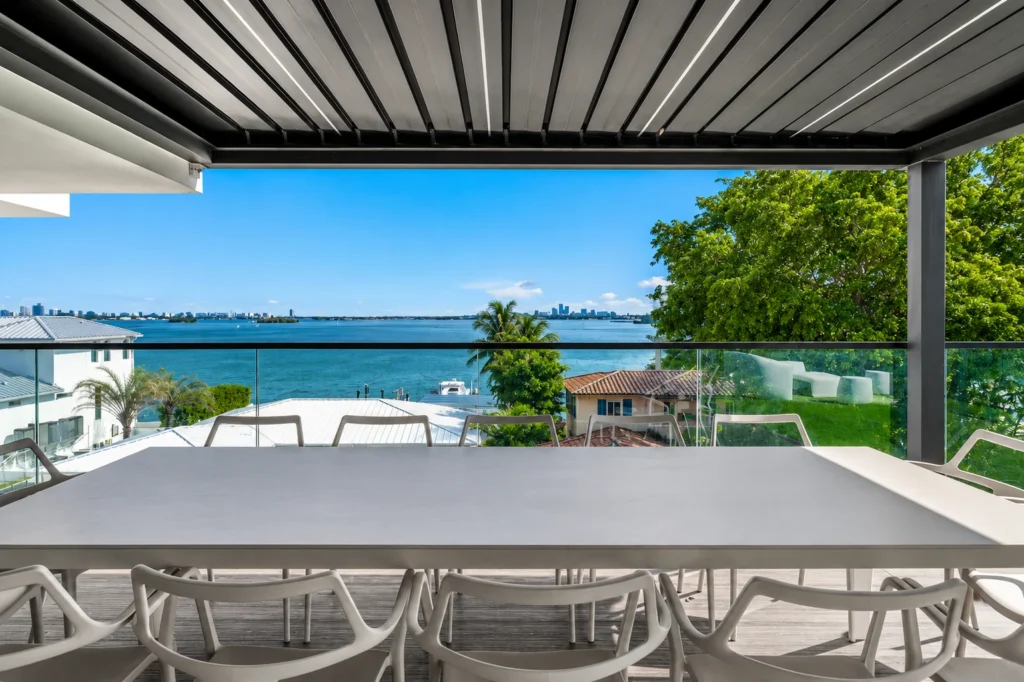
But the ceiling is a private chef in your own kitchen. A Villoura concierge can arrange a Michelin-trained chef to build a bespoke tasting menu and serve it on a terrace over Biscayne Bay, with no reservation window, no dress code, and no drive home. For a group of eight celebrating something, it frequently costs less per head than the equivalent restaurant booking once wine and transport are counted. Plan on two to three weeks of lead time for a chef of that caliber, longer during Art Basel.
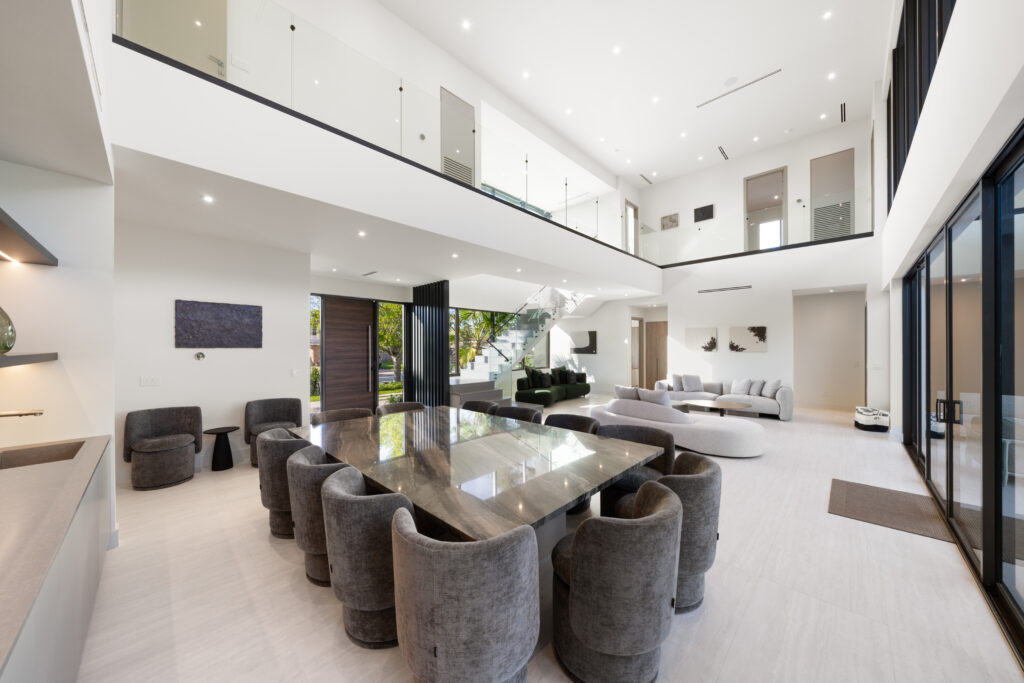
This is the part of the trip that only works if the residence is set up for it. Kitchens sized for actual cooking, staff who can be briefed, and service that has done it before. That standard is what professionally managed Miami villas are supposed to deliver, and it is worth confirming before you book rather than after.
One thing to keep in mind when comparing private rentals. Miami operates a three-layer licensing system across the state, the county, and the city, and it is enforced. Booking a property that meets Miami’s short-term rental requirements protects your reservation from the kind of last-minute cancellation that ends a trip before it starts.
⌂
Elevate Your Miami Dining Getaway
Stay in a private luxury villa with concierge support, dining reservations handled ahead of arrival, and space to host on your own terms.
The Table is Where the Evening Starts
Miami’s best restaurants will give you the nights you remember from the trip. What shapes the rest of it is where you go afterward.
A private villa lets you leave the crowds at the valet stand, come back to water and space instead of a corridor, and wake up ready to do it again. Add a concierge who can reach the tables that never hit the apps, and a Miami week stops being a list of reservations and starts being a trip.
The table is where the evening begins. The villa is where it comes together.