The short answer for anyone choosing where to stay for the Los Angeles 2028 Olympics: base yourself near the venue zone that holds most of your tickets, within reach of a Metro rail line or an official shuttle hub, and use the car for everything except the final mile to a stadium. For a 3–10 night trip, that points most guests to the Westside or the hills above Hollywood. For the full seventeen days, it means a residence with room to decompress and a driver who understands the closures.
Los Angeles has promised a transit-first Games, and in October 2026 the pieces are arriving: the D Line runs to Beverly Hills, the LAX train is in final testing, and Caltrans has mapped a 369-mile Games Route Network. The unsettled pieces matter just as much, and this companion to our LA28 planning guide for villa guests is candid about both.
What “transit-first” actually means for a ticket holder
When Mayor Karen Bass stood in Paris in August 2024 and called LA28 the “no-car Games,” she set an expectation that has since been refined; by May 2025 the chair of Metro’s Games committee described the plan as “leaning into transit-first,” the language the organizers now use. The LA28 transportation FAQ tells spectators to expect public transportation, venue-serving shuttle stops and park-and-ride options, with detailed routing sent to ticket holders closer to the Games. Nowhere does LA28 promise general spectator parking, and Metro’s planners have said venues will not have their usual parking. Plan as though the lot at SoFi or the Coliseum does not exist for you.
The machine that makes this work is buses, and this is where the open question lives. Metro’s plan calls for roughly 1,750 additional buses on top of its fleet of about 2,100, borrowed from transit agencies across the country along with their drivers, a figure revised down from the 2,700 first floated in 2025; as of May 2026, 28 agencies had committed more than 1,000 buses. Metro has asked Washington for about $2 billion, and in September 2026 its board told LA28 that without funding certainty by year’s end the organizing committee would need another partner for spectator transport, according to LAist’s reporting on the Metro board meeting. LA28’s chief executive has said a bus program will happen “one way or another,” and $875 million is moving through a House spending bill. The honest reading: rail to Downtown, Inglewood, Long Beach and Westwood is certain; the breadth of the shuttle network is still being negotiated. The precedent is encouraging: during the FIFA World Cup this summer Metro ran fifteen park-and-ride hubs with $1.75 shuttles to SoFi Stadium and carried about 212,000 rides.
The Games Route Network, and what it means for your driver
Every host city since 2012 has been contractually obliged to build a Games Route Network, a web of roads and reserved lanes that moves athletes, officials and media to venues on time. Southern California’s covers about 369 miles, roughly 80 percent of it on state highways, according to Caltrans District 7, whose Games Route Network improvement project lists the 405, 10, 110, 105, 101, 134 and 210 among the corridors, with striping, signals and camera gantries installed through 2027. It also reaches surface streets, including the UCLA Athlete Village’s link to the 405 and a stretch of Sunset Boulevard.
Two facts should shape how you book. First, the freeways stay open, but existing carpool lanes on the network are expected to be dedicated to Games vehicles, leaving fewer lanes for everyone else at exactly the hours you would be moving. Second, a private driver does not receive Games Route Network access; those lanes are for accredited vehicles. What a good driver offers instead is knowledge: which canyon is open, which side street has closed for the Village perimeter, which park-and-ride hub has capacity at 5 p.m. One freeway project helps spectators directly: Metro’s I-105 ExpressLanes, due to open a first segment before the Games, will carry shuttles between LAX and SoFi Stadium.
The venue zones, mapped to how you will actually arrive
LA28 will stage more than 800 events at 40-plus venues without building a permanent new one, which is why the Games sprawl across the county. Our neighborhood map for the 2028 Olympics covers each zone’s character; here is how each connects.
Downtown and Exposition Park
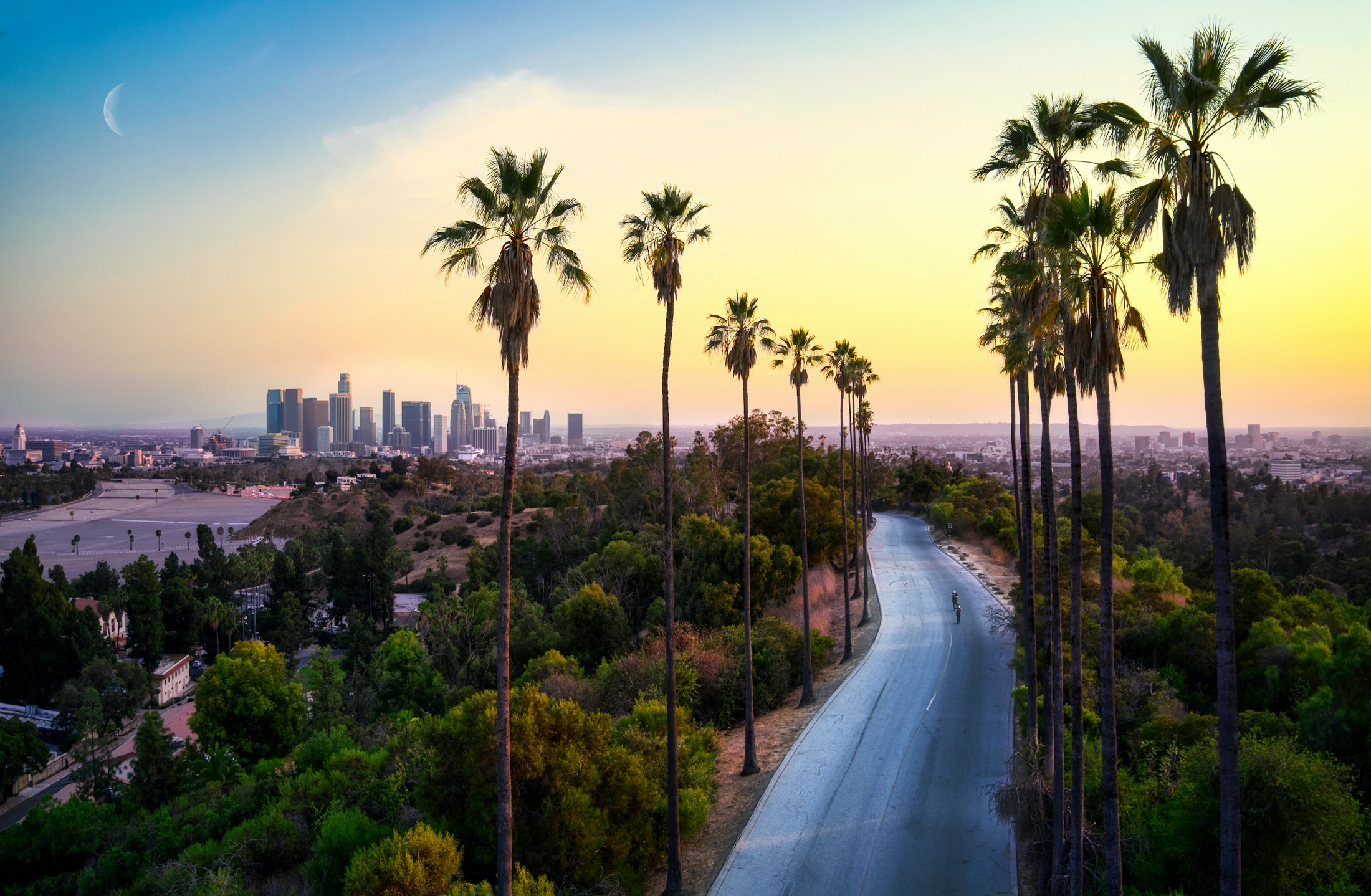
The easiest zone in the Games. The Coliseum, BMO Stadium and the Galen Center sit beside the E Line’s Expo Park/USC and Expo/Vermont stations; the arena, convention center and Peacock Theater cluster near 7th Street/Metro Center, where the A, B, D and E Lines meet; Dodger Stadium, the baseball venue, relies on shuttles from Union Station. Anyone on the Wilshire corridor, in Hollywood or Downtown can reach the Coliseum, host of athletics and the closing ceremony on July 30, without a car.
Inglewood: SoFi Stadium, Intuit Dome and the Kia Forum
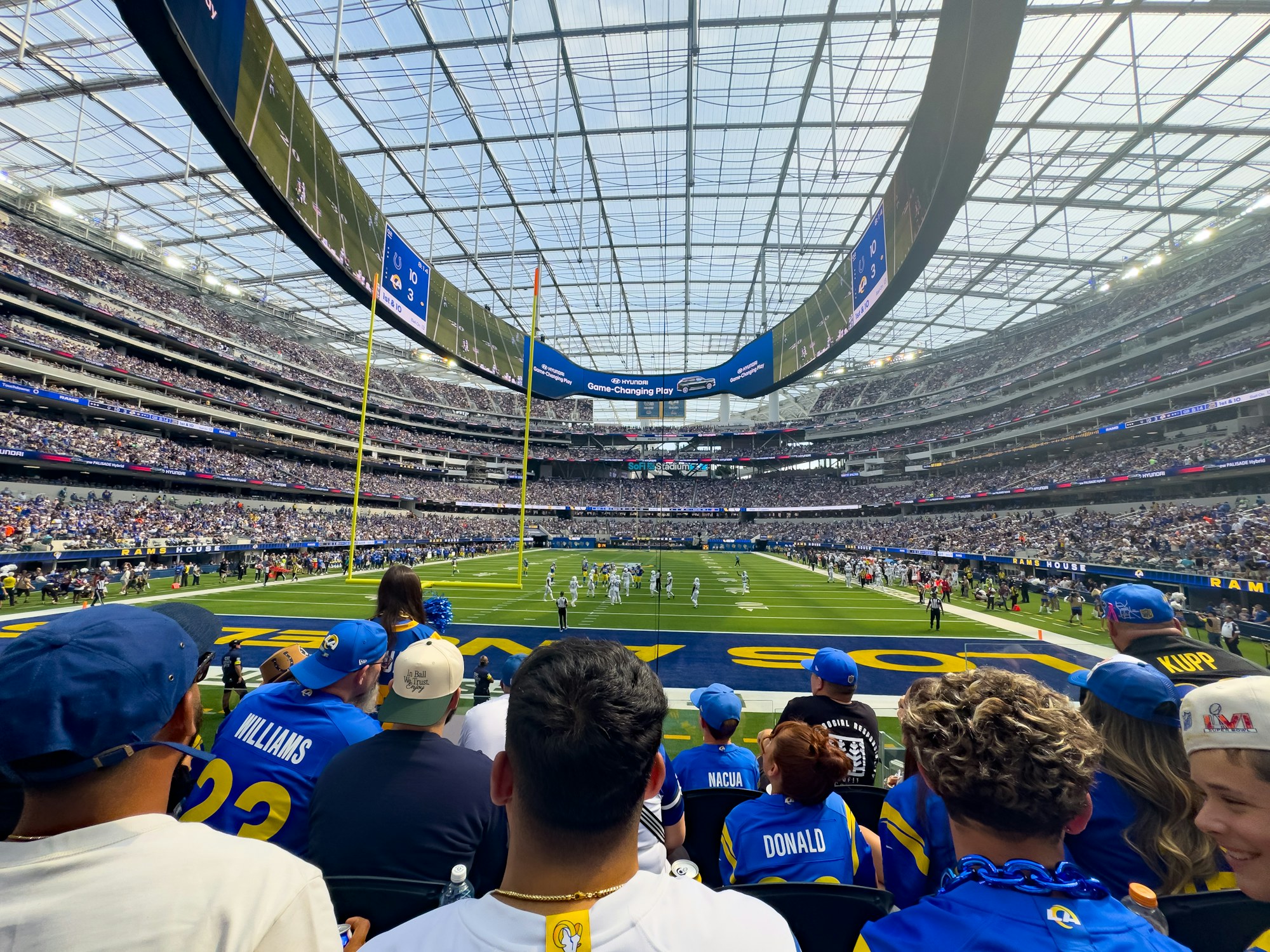
The zone that hosts swimming, basketball and half of the opening ceremony on July 14 has no rail station of its own, and the people mover meant to fix that fell apart in 2024 amid political opposition. In August 2026 the Inglewood City Council chose a team to build a $261 million substitute: three mobility hubs, the largest linked by pedestrian bridge to the K Line’s Downtown Inglewood station, plus event-day bus lanes due in 2027. The proven route is the one Metro runs for Rams and Chargers games: the C or K Line to the LAX/Metro Transit Center, then the SoFi Stadium Express from Bus Bay 8, which Metro’s SoFi Stadium transit guide runs every ten minutes from three hours before kickoff. Super Bowl LXI in February 2027 is the dress rehearsal; see our Super Bowl LXI guide.
The Valley: Sepulveda Basin
The Sepulveda Basin’s temporary complexes host sports including 3×3 basketball and modern pentathlon. There is no rail here; the Sepulveda Transit Corridor through the pass was dropped from Metro’s Games list in 2024, and the G Line busway at Sepulveda and Balboa is the nearest transit. This is the zone where a Valley base matters most, because crossing the Sepulveda Pass at Games hours will be the slowest trip in the city.
Long Beach
Beach volleyball at Alamitos Beach, the Long Beach Arena, the climbing and shooting halls and the Marine Stadium rowing course form a waterfront cluster at the end of the A Line, whose Downtown Long Beach station is a walk or short shuttle from most of it. Santa Monica, for the record, is not a venue; beach volleyball moved to Long Beach, and the only Westside competition footprint is Venice, where the marathon and road cycling start and the triathlon is held.
Planning a luxury California stay?
Skip the guesswork. Villoura specialists match you to the right villa and handle every detail, a real person replies in minutes.
Carson and Pasadena
Dignity Health Sports Park, with its stadium, tennis courts and velodrome, sits east of the 110, served by Metro’s J Line busway and a shuttle; it is the most car-dependent zone, which argues for a driver and an early departure. The Rose Bowl, slated for football, has no station at its door; the A Line reaches Old Pasadena at Memorial Park, and the stadium’s pattern for its largest games is a shuttle from there.
Westwood: the Athlete Village
UCLA hosts the Olympic and Paralympic Village, roughly 17,000 residents at peak, and USC the media village. Westwood is not a ticketed venue, but it will carry a security perimeter, Games Route Network corridors on Sunset and toward the 405, and, if Metro’s schedule holds, the D Line’s Westwood/UCLA station; our UCLA Olympic Village guide for owners and guests examines what that means for the surrounding streets.
The three projects that decide your commute
Metro’s “Twenty-eight by ’28” program has delivered eleven projects by the agency’s count, among them the K Line and the LAX/Metro Transit Center station. Inglewood’s hubs, above, are one of three remaining pieces that matter most to a visitor.
The D Line to Westwood. Section 1 opened on May 8, 2026, adding Wilshire/La Brea, Wilshire/Fairfax and Wilshire/La Cienega, Beverly Hills’ first rail passenger service since 1954. Metro’s forecast for Section 2, the Wilshire/Rodeo and Century City/Constellation stations, is spring 2027, and for Section 3, Westwood/UCLA and Westwood/VA Hospital, fall 2027. The tunnels are finished, but a fall 2027 forecast leaves roughly nine months of margin before the Games. A guest booking a Westside residence should want the subway and plan as if it might be a bus.
The LAX SkyLink. The automated people mover connecting the terminals to the LAX/Metro Transit Center and the rental car center was supposed to open in 2023. It has not. The current target, per a filing by the LINXS consortium reported by NBC Los Angeles in September 2026, is January 6, 2027, after thirty consecutive days of testing; LINXS sued Los Angeles World Airports in July 2026, and Fitch puts construction at 99.6 percent complete. The odds favor the train running well before July 2028, when the ten-minute ride from a terminal to the C and K Lines becomes the fastest way to reach Inglewood from the airport. Until then your transfer is a car, where a Villoura concierge airport transfer earns its place on the first and last day of any stay.
Where to stay, by how you plan to move
The right neighborhood depends less on the sport than on how many venue zones your tickets touch and whether you intend to ride, be driven, or both.
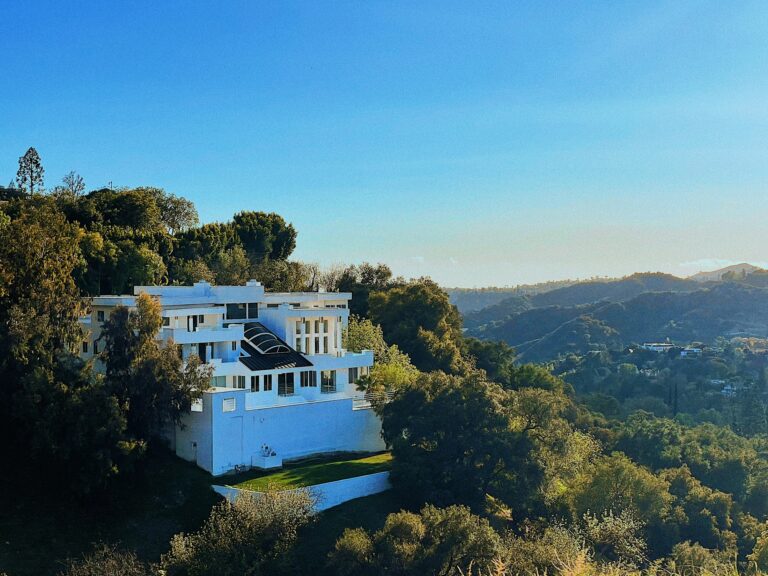
Westside: Beverly Hills, Bel Air, Brentwood, Holmby Hills. The default for most guests. The Wilshire corridor delivers Downtown and Exposition Park by D and E Line; the 405 and 10 fan out to Inglewood and Long Beach; the Village sits at your doorstep, and if Section 3 opens on schedule, Westwood/UCLA and the Beverly Hills stations become the most useful platforms in the city. The caution is the Village perimeter and the Games Route Network on Sunset, which will reshape driving in Bel Air for the month. Villoura’s Westside residences suit groups mixing sessions with the city.
The Valley: Studio City and Sherman Oaks. If the Sepulveda Basin events are your anchor, stay on their side of the hill. Studio City adds the B Line at Universal City for Hollywood and Downtown without a freeway, and Universal’s temporary squash center is the neighbor. Villoura’s Valley residences give families room for a long stay.
Pacific Palisades and Santa Monica. For distance from the crowds. No venue sits in either community, Venice’s start lines are a short drive, and the 10 runs straight to Exposition Park. Choose Pacific Palisades when the Games are two or three sessions inside a California holiday.
Hollywood Hills and West Hollywood. The central option. Hollywood’s B Line stations connect to Downtown and the Valley; the D Line is minutes south; Inglewood and Westwood are both a reasonable drive. For a party splitting across zones each day, this is the compromise that works; for tickets concentrated at the Coliseum and the arena district, Hancock Park and Los Feliz put rail to work by day.
A note for owners
Homes along Games Route Network corridors and near the Beverly Hills and Westwood stations will draw the strongest demand from federations, sponsors and athletes’ families who need Wilshire or Westwood for weeks rather than nights. Los Angeles has still not adopted the temporary second-home rental program before the City Council (Council File 25-0029-S1), which remains in committee with a proposed cap of 60 booking days a year and a sunset at the end of 2028, according to the City Clerk’s council file record. Until it is, leases of 31 nights or longer remain the lawful route for a non-primary residence and Villoura’s lead recommendation; our guide to LA’s rental rules for 2028 tracks the file.
Three to ten nights or the full seventeen days: how the math changes
A short stay is a scheduling exercise. Hold your tickets in one or two zones, book within a rail line of the busier one, and let Metro do the daytime work; the fare is $1.75 and transfers are free within two hours. Reserve the driver for arrivals, for sessions ending after 10 p.m., and for Carson or Pasadena, where the shuttle legs are longest. For a 3–10 night trip anchored on the Coliseum and Inglewood, a Westside or Hollywood Hills villa with one driver on call produces the fewest missed starts.
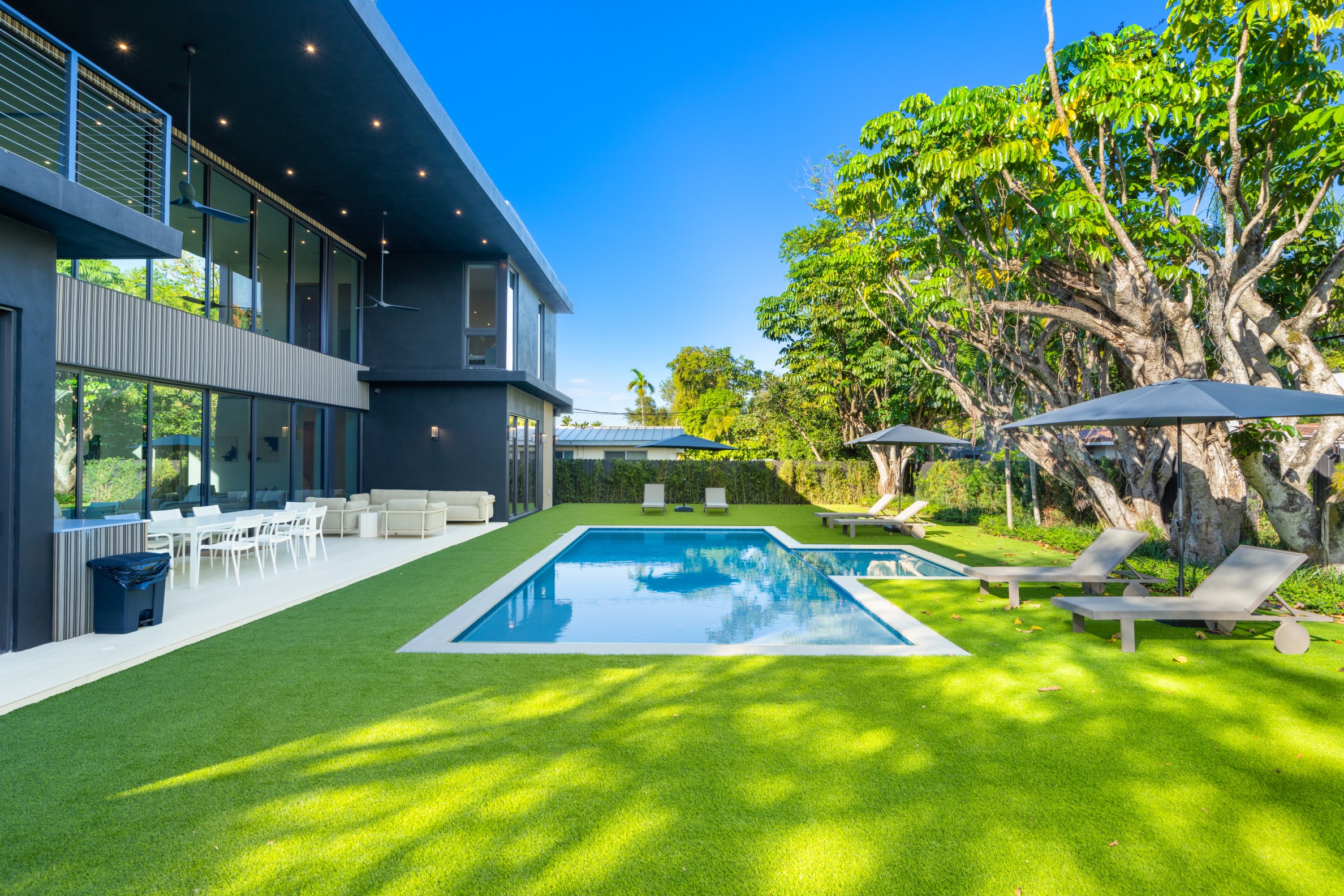
The full Games are a different proposition. Over seventeen days you will cross the county many times, host friends who arrive and depart, and need a home that works on the rest days, which is where a private residence outperforms a hotel room. The driver becomes less a chauffeur than a logistics officer, pre-positioning the car at a park-and-ride hub, timing the return to avoid the post-session surge, and knowing on which evening the Village perimeter has moved a checkpoint. Villoura’s concierge arranges drivers by the day or for the duration; secure one when you secure the house.
Tickets passed six million sold in August 2026 according to LA28, with the next first-come, first-served sale and the verified resale platform both arriving in 2027; On Location is the official hospitality provider. Most guests will confirm sessions in 2027, so decide the neighborhood now; the housing closest to the rail lines disappears first.
Frequently asked questions
Will there be parking at LA28 venues for spectators?
LA28 has not promised general spectator parking; its published guidance directs ticket holders to public transportation, venue shuttles and park-and-ride lots, and Metro’s planners have said venues will not have their usual parking. Plan to arrive by rail, shuttle or a driver drop-off, and expect final routing to reach ticket holders closer to July 2028.
How do I get to SoFi Stadium or Intuit Dome by Metro in 2028?
Today’s route, which Metro runs for every Rams and Chargers game, is the C or K Line to the LAX/Metro Transit Center and the SoFi Stadium Express shuttle from Bus Bay 8. Inglewood is also building mobility hubs and event-day bus lanes from the Downtown Inglewood K Line station for 2027. Neither venue has a rail station, and the proposed people mover was abandoned.
Will the D Line reach Westwood and UCLA before the Olympics?
Metro forecasts Section 2 (Wilshire/Rodeo and Century City) for spring 2027 and Section 3 (Westwood/UCLA and Westwood/VA Hospital) for fall 2027. Both are under construction with tunnels complete. The margin before July 2028 is real but not generous, so Westside guests should plan for the subway and keep a bus or driver alternative.
Is the LAX people mover open?
Not as of October 2026. The SkyLink’s current target is January 6, 2027, after a thirty-day continuous test; the project is reported 99.6 percent complete but has slipped repeatedly and is in litigation between the contractor and the airport. Once open, it will link the terminals to the C and K Lines and the rental car center in about ten minutes.
Is Santa Monica an Olympic venue?
No. Beach volleyball, once planned for Santa Monica, will be played at Alamitos Beach in Long Beach. The nearest competition footprint is Venice, where the triathlon is held and the marathon and road cycling begin. Santa Monica and Pacific Palisades therefore offer a quiet, non-venue coast with the 10 freeway as a direct line to Exposition Park and Downtown.
Plan the route before the villa
The guests who will enjoy LA28 most will choose a neighborhood for its transit logic and then let the house do what a hotel cannot. Contact our villa specialists to talk through which zones your tickets touch and which Westside, Valley or hillside residence fits, and ask the concierge about drivers and airport transfers for the dates you hold. Owners near the Wilshire and Westwood stations or the Games Route Network corridors considering a 31-night-plus lease for summer 2028 can list your home with Villoura and we will walk through the rules as they stand.